I popped into the shore office to get my ticket and found out where to go, before joining others waiting to get on the boat. A MARINElife survey team were also on this sailing, the surveyors hadn’t arrived yet, so I waited my turn to board the boat and headed to the bridge. Warmly welcomed by the captain and his crew I was quickly joined by the survey team and we set off.
Armed with my high vis vest, binoculars, camera, brochures and spotting guides I headed out into the crowds. The boat was full and, as soon as I left the bridge, I was able to hand out some leaflets and guides. The passengers listened attentively whilst I told them about the wildlife that we could encounter and where they might be seen. Everyone I spoke to was very interested in both the cetaceans and seabirds, some not realising how many species we had around our UK shores.

It was a full boat with around 260 passengers, keen to tell as many people about MARINElife as possible on the journey the time went very quickly, I may have spoken to all 260 of them by the time we reached Lundy!
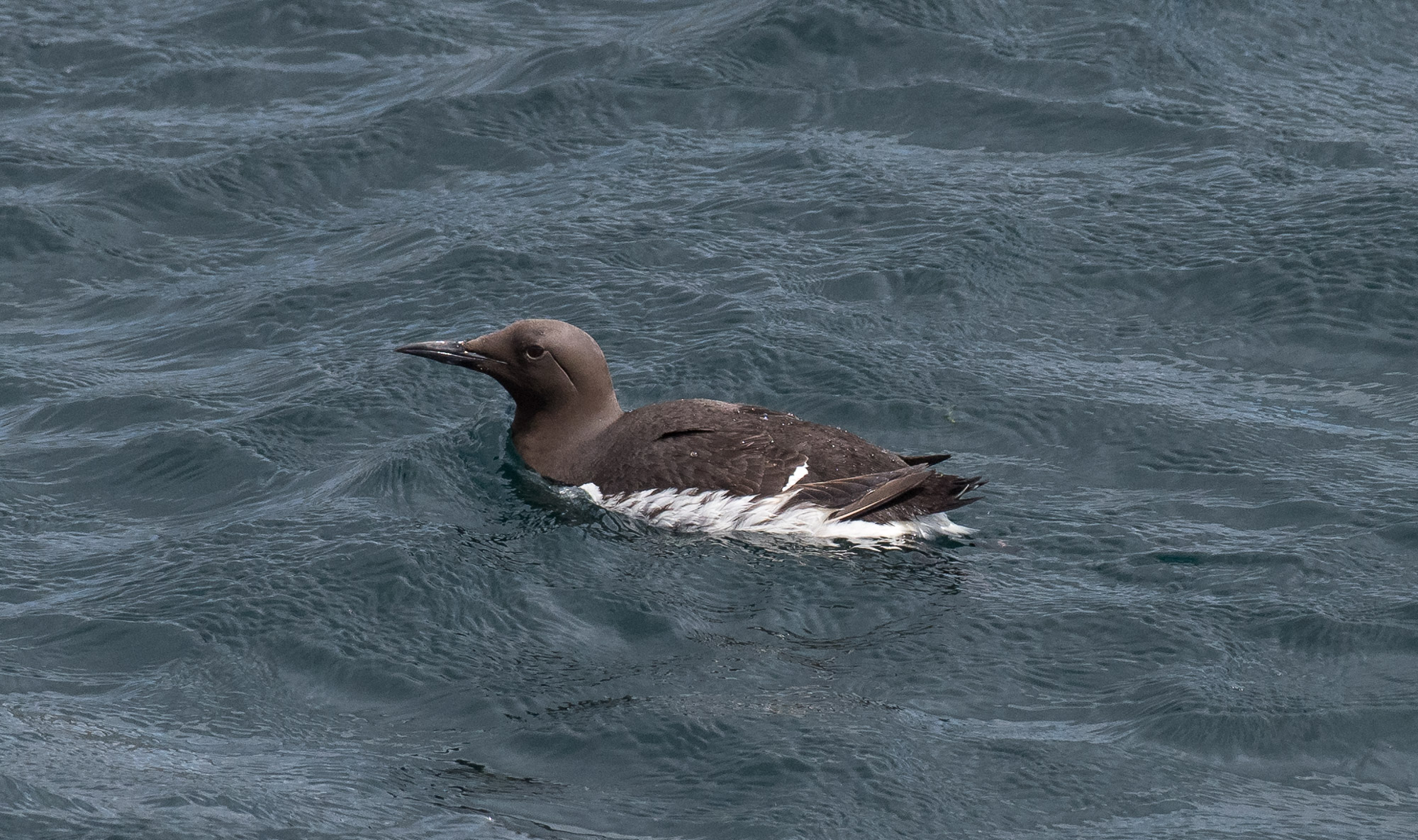
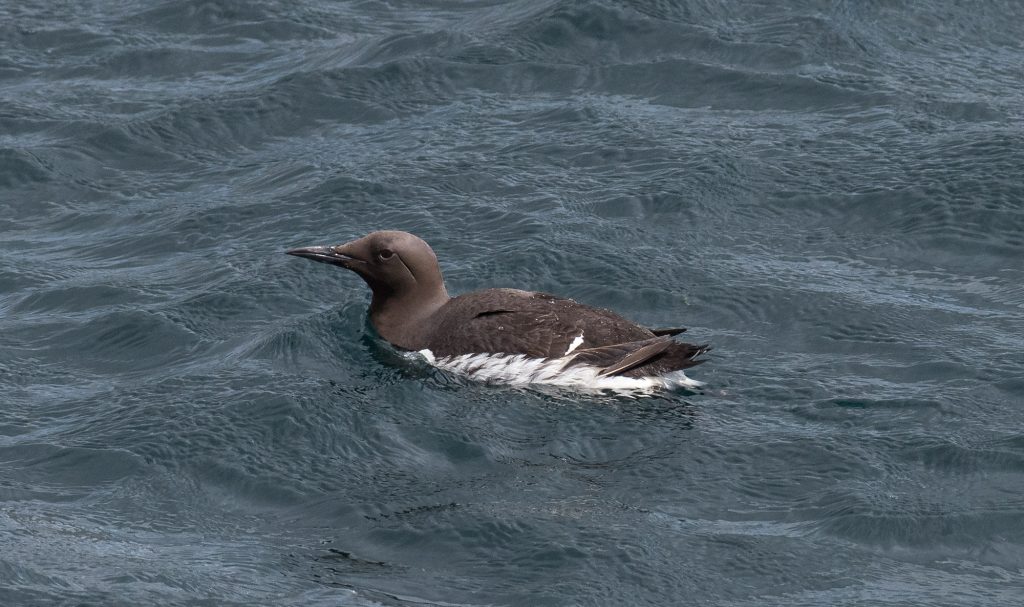
One passenger came up to me to specifically ask about a bird he had seen with a long orange beak, a bit of detective work and some help from Google, he believes it was a Common Tern. Whilst looking out to sea the passengers and I saw a couple of Manx Shearwaters gliding near the sea as well as a few Guillemots.
As we approached the island, I got ready to disembark. After an impromptu interview for MARINElife about why I volunteer for them and my role as a surveyor and wildlife ambassador I set off up the steep slopes.
The sun had definitely decided it was going to stick around, making the way up to the top a little slower. It didn’t matter as the scenery was stunning, suburb landscapes and blue sea as far as your eye could see. A Robin sat near by as I rested halfway.
Stopping in the shop to buy a nice cold water I then found a beautiful spot overlooking the sea to have a picnic, keeping my binoculars to hand just in case. It was peaceful, the other passengers had dispersed around the island, time to relax for a while. I decided to look around near the church, taking a leisurely walk and just enjoying the stunning views.
Back at the Landing Bay, I boarded the ‘Oldenburg’ for the return home talking to some of the passengers that had been staying on the island for the week. Some were animal studies students that had been studying the different wildlife on the island. I learnt about the dung beetles that inhabit Lundy, something I hadn’t even considered to be there.
Sightings were similar on the return, with Manx Shearwater and Guillemot.
Back at Ilfracombe I expressed my gratitude to Paul and the crew and disembarked to make my way home.
On behalf of MARINElife, I would like to thank the crew of the Oldenburg, the island staff, and volunteers.
MARINElife Wildlife Ambassador Daisy Turney
Species recorded
Seabirds
- Gannet
- Manx Shearwater
- Herring Gull
- Guillemot
- Razorbill
Wildlife seen on Lundy
- Robin
- Blackbird
- House Sparrow
Wildlife seen on Lundy
- Lundy pony