Saturday 17 October
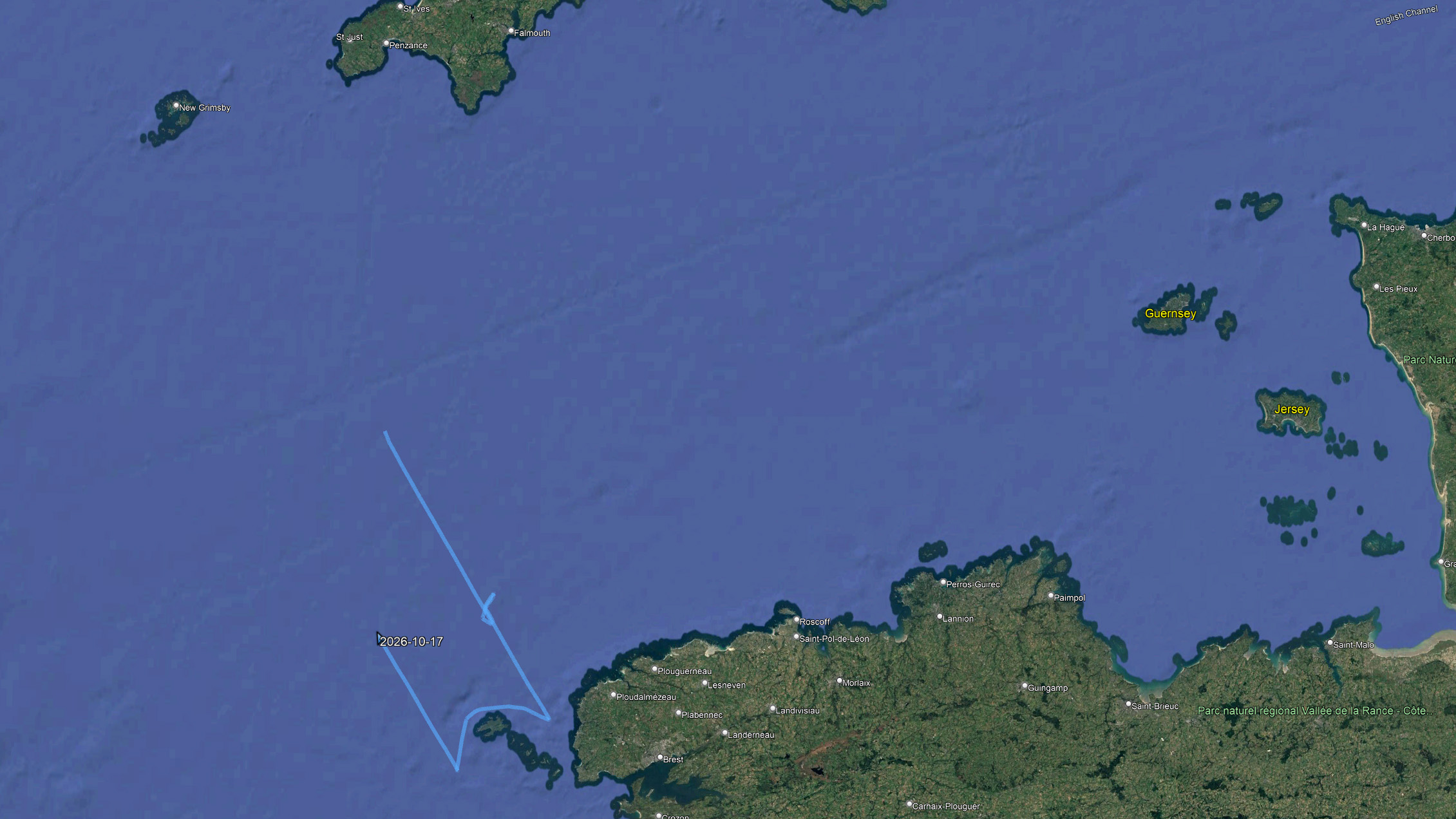
The sky was clear and there was a 15-20 knot wind blowing from the northeast, not ideal survey conditions, especially once the sun moved around and lined up with our transect! Unfortunately, we don’t get any choice in either the weather or the transect we’re doing so it’s just a case of doing what we can.
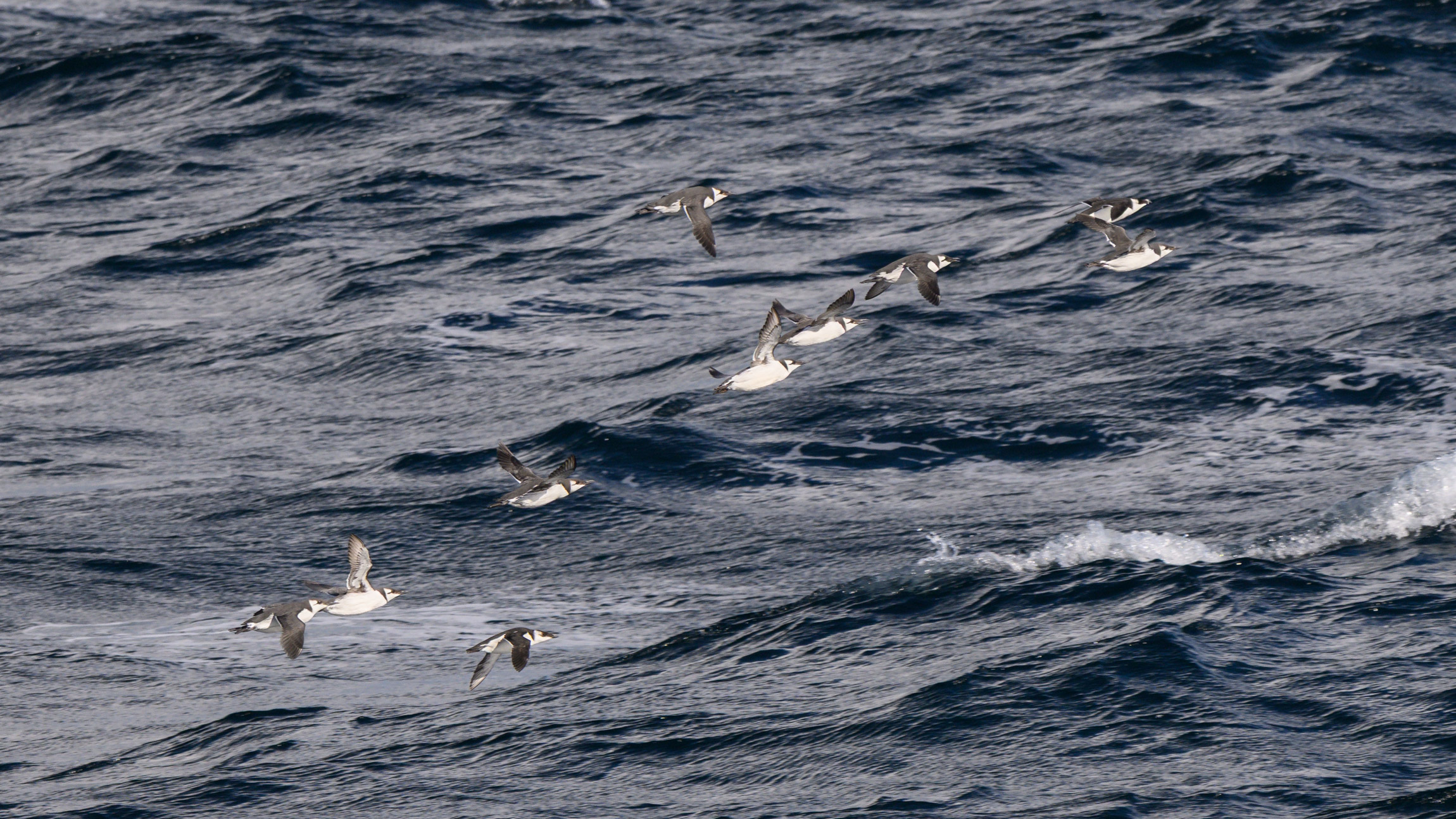
As it happened there wasn’t very much going on, there were very few birds to be seen mainly Gannet and auks, with unidentified Guillemot/Razorbill (logged as auk sp.) topping the charts on this transect.
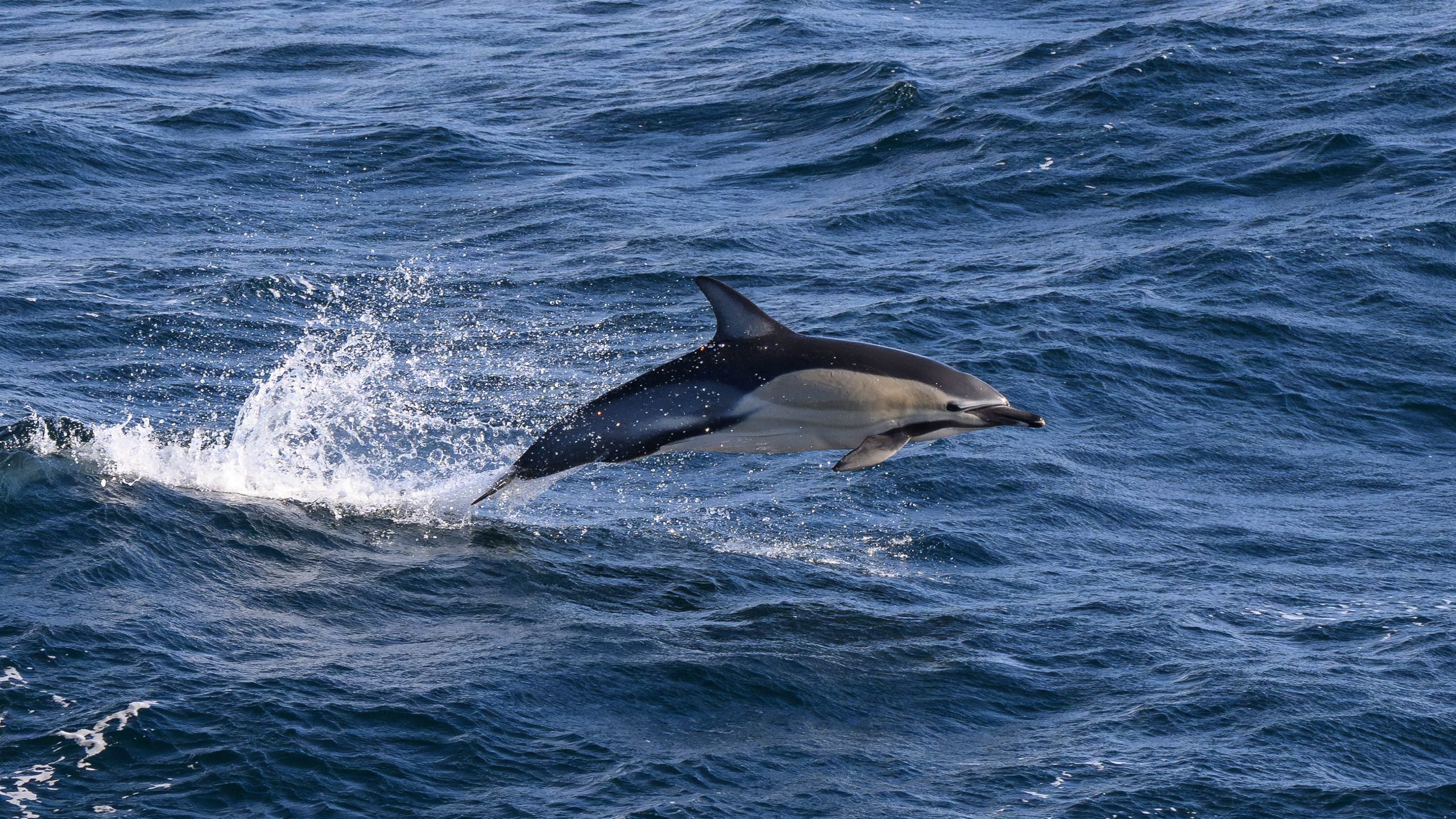
Fortunately, there was a reasonable amount of cetacean activity, with Common Dolphin coming to play with the vessel on nine occasions and we logged 46 animals. As is usually the case on the Peltic survey, there is always the wish for a little more diversity in the cetacean sightings, especially as you know there are other species out there and they’re not that uncommon.
The major excitement of the day – at least for me and Jeroen – was the sighting of a Dartford Warbler on board (photo by Jeroen) – possibly even more unexpected than last year’s Cetti’s Warbler. These tiny warblers really aren’t known for migrating and are inhabitants of lowland heath in the UK, and there aren’t very many of them either, the UK population is estimated at just over 4000 pairs.
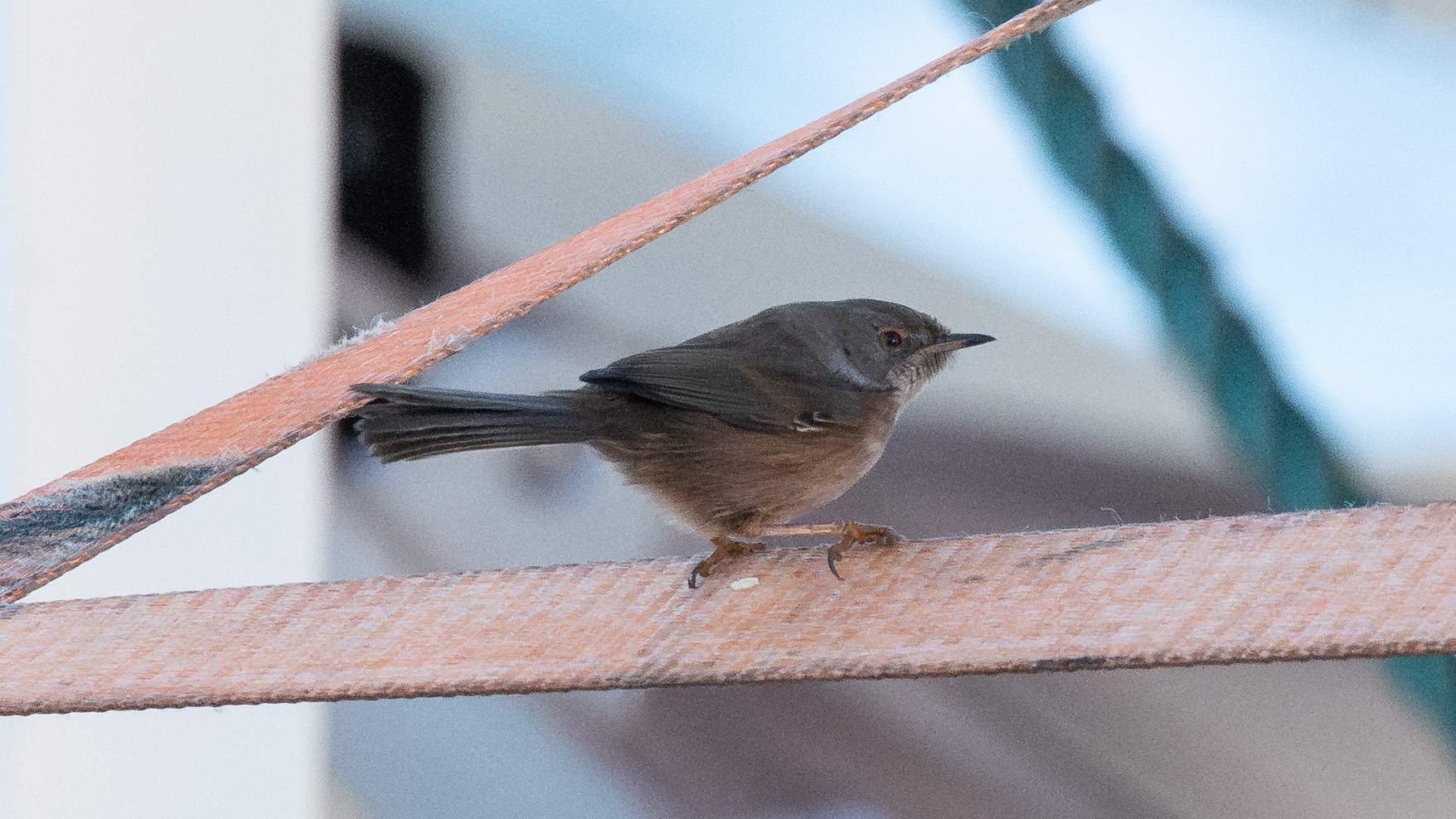
When the bird was first seen (we don’t know how long it had been on board) we were 120km south of the Lizard and 50km north of Île d’Ouessant, so a long way from land. Interestingly, although a long way from us, one turned up at Portland Bill the same morning, so they may have been on the move. It didn’t appear to stay with us for long either, an hour later there was no sign of it. Around the same time there was also a Reed Warbler on board, only seen briefly when it landed on the windscreen frame in front of me, that too disappeared very quickly.
A break for a trawl reinforced how little there was in the area as not a single bird came to look at the net, either as it was deployed or on hauling.
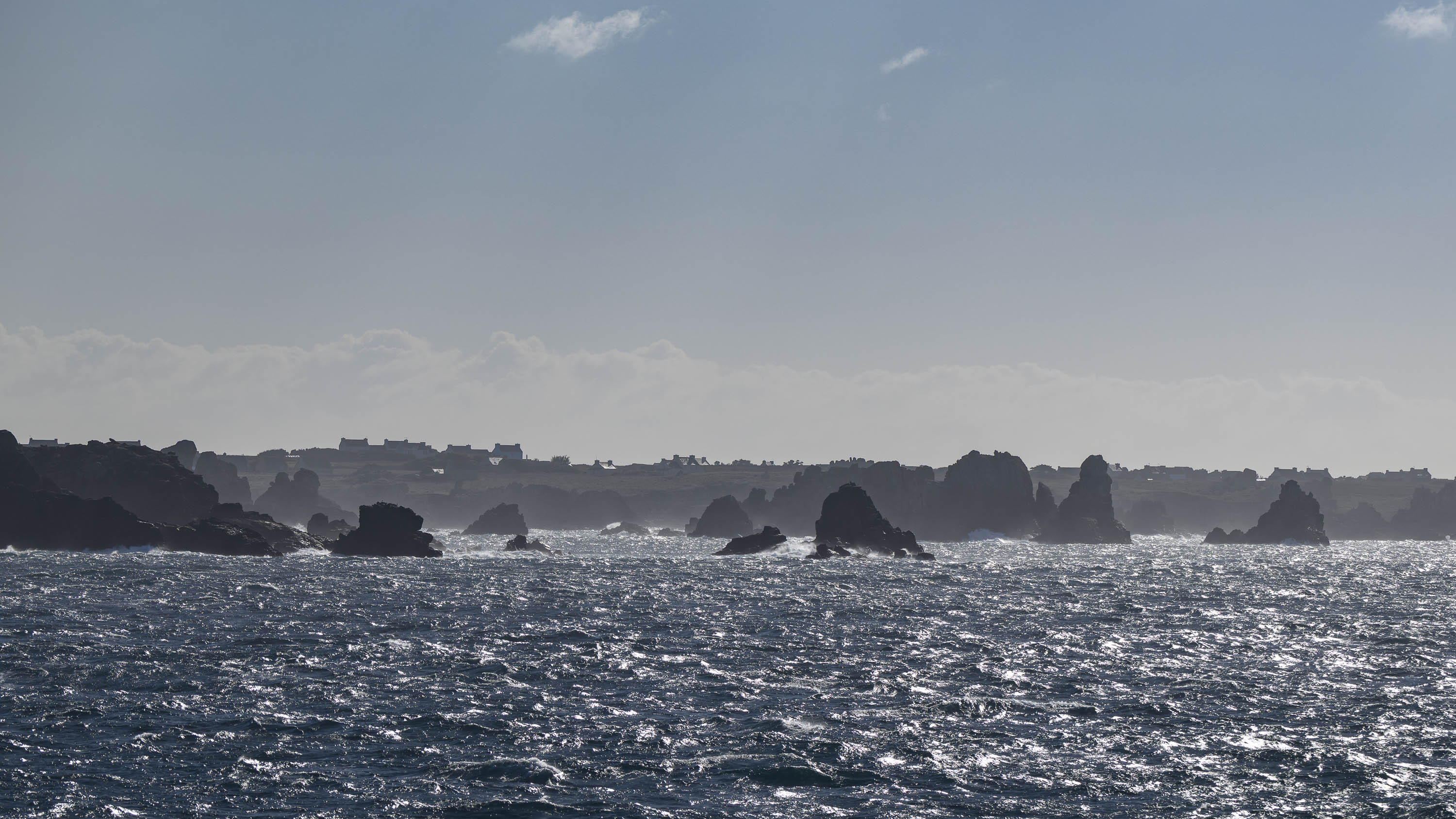
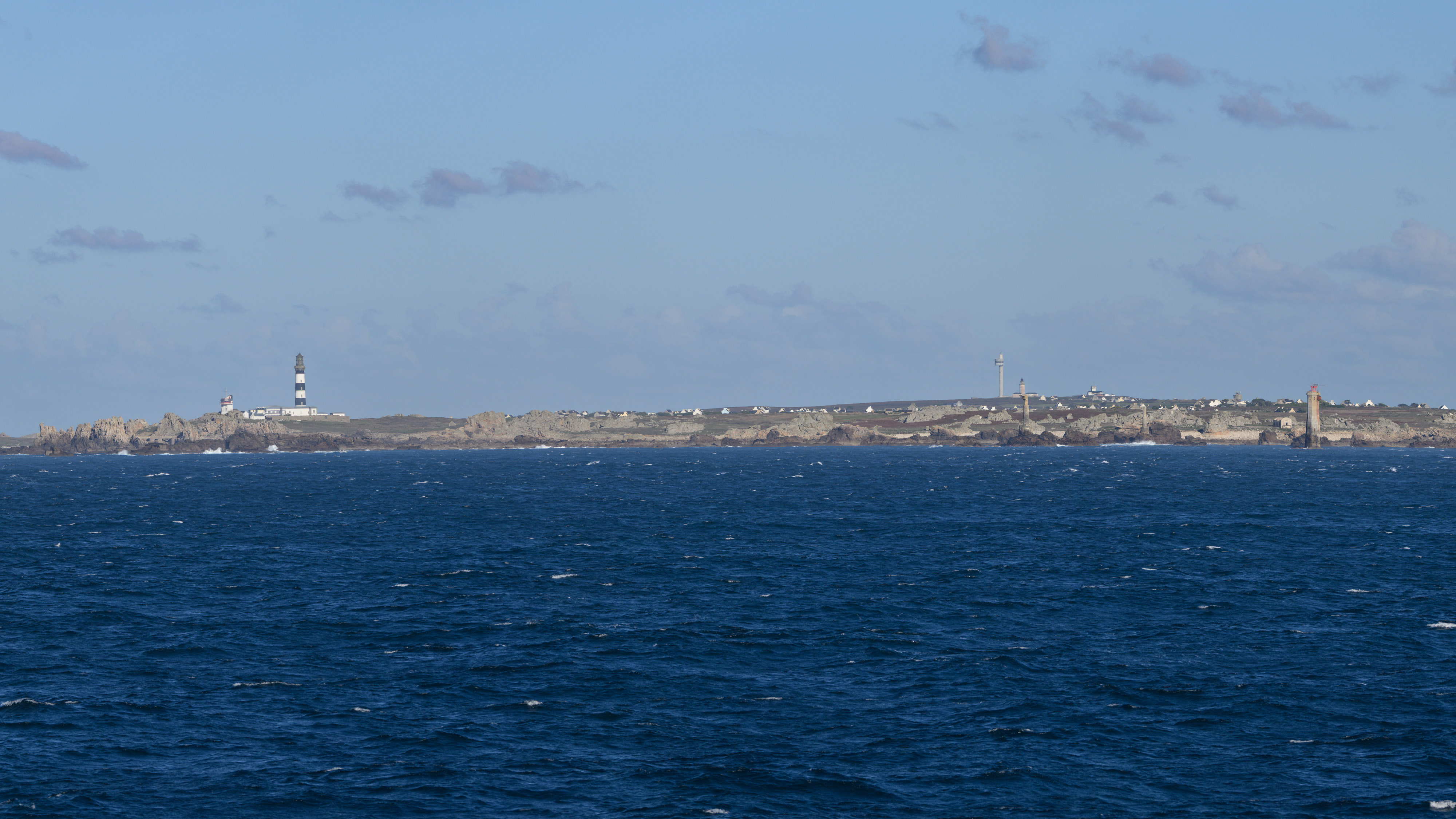
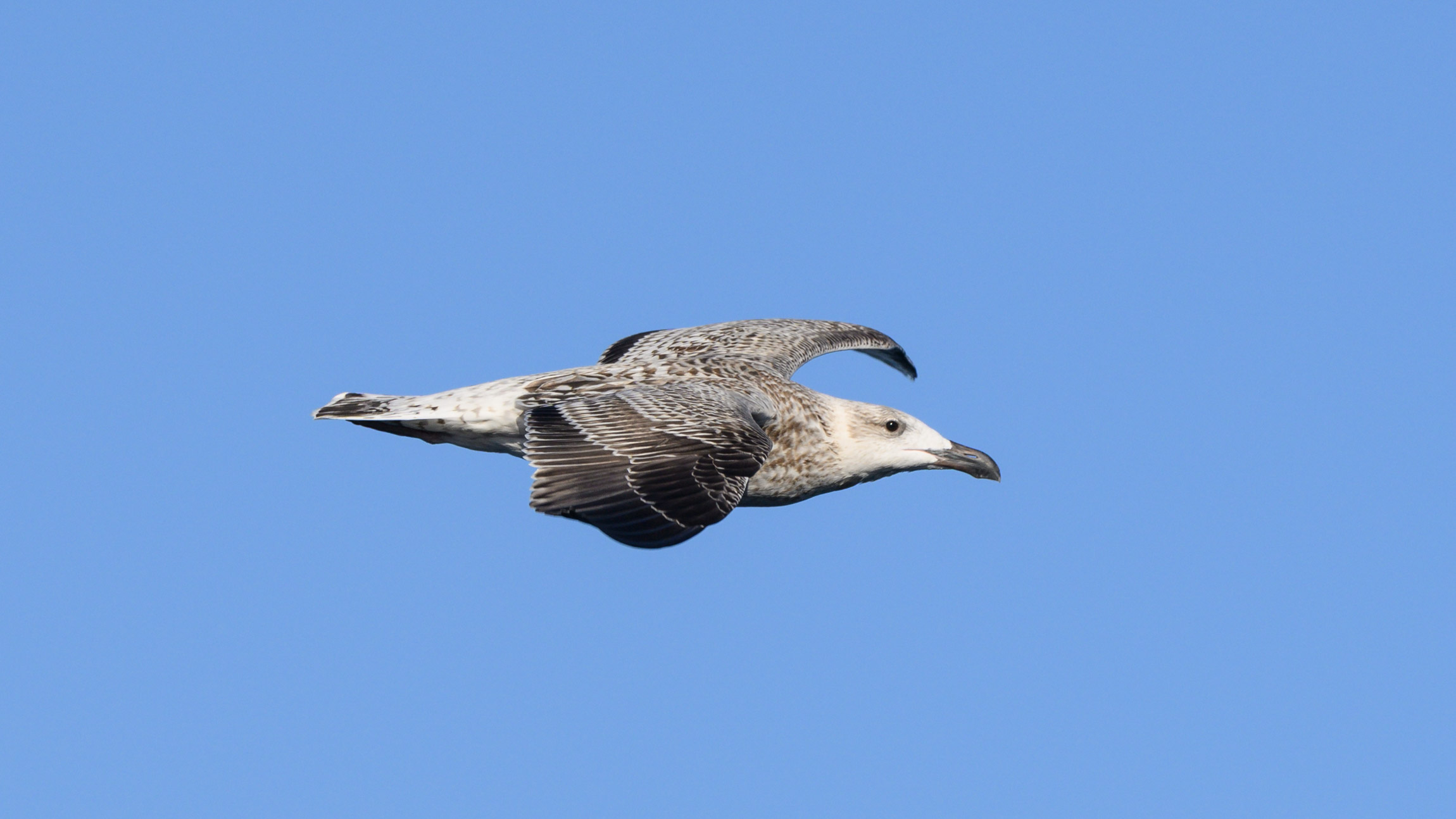
The end of the transect was between the mainland and the Île d’Ouessant, so we had a very scenic transit around the island to get to the start of the next transect to the west. The island has many lighthouses on and around it, understandable when you see all the rocks and reefs around it. There were a few birds to be seen during the transit, mainly Gannet and auks but also a couple of Balearic Shearwater (not on survey – again) and a Great Black-backed Gull came to inspect us for food and left pretty promptly.
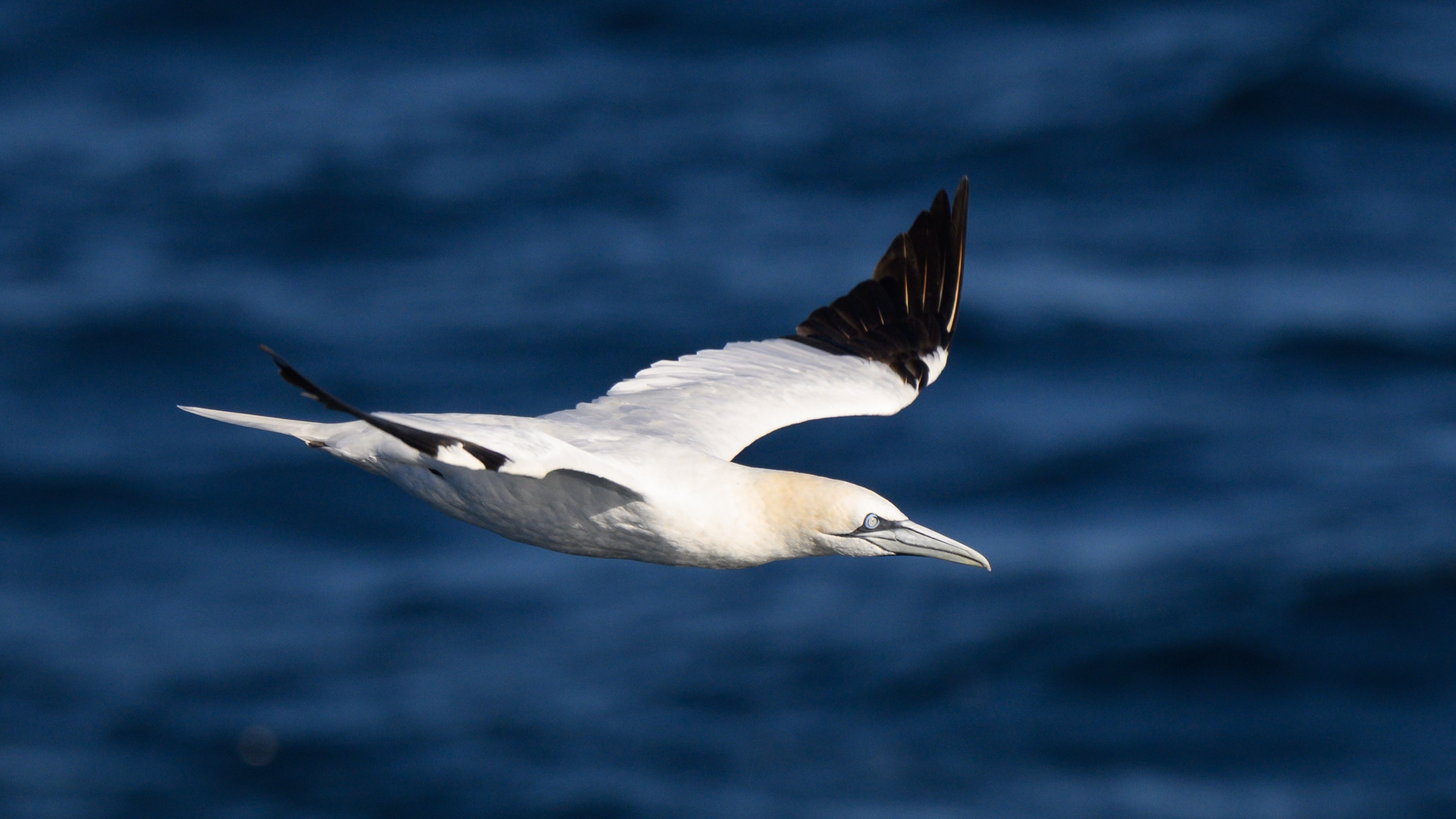
We only managed two hours on this transect before sunset and, because of time issues, we won’t be returning to complete it. Gannet topped the sightings chart on this one, with one or two small feeding flocks spotted, one with Common Dolphin involved – so at least we managed to record cetaceans on the line.
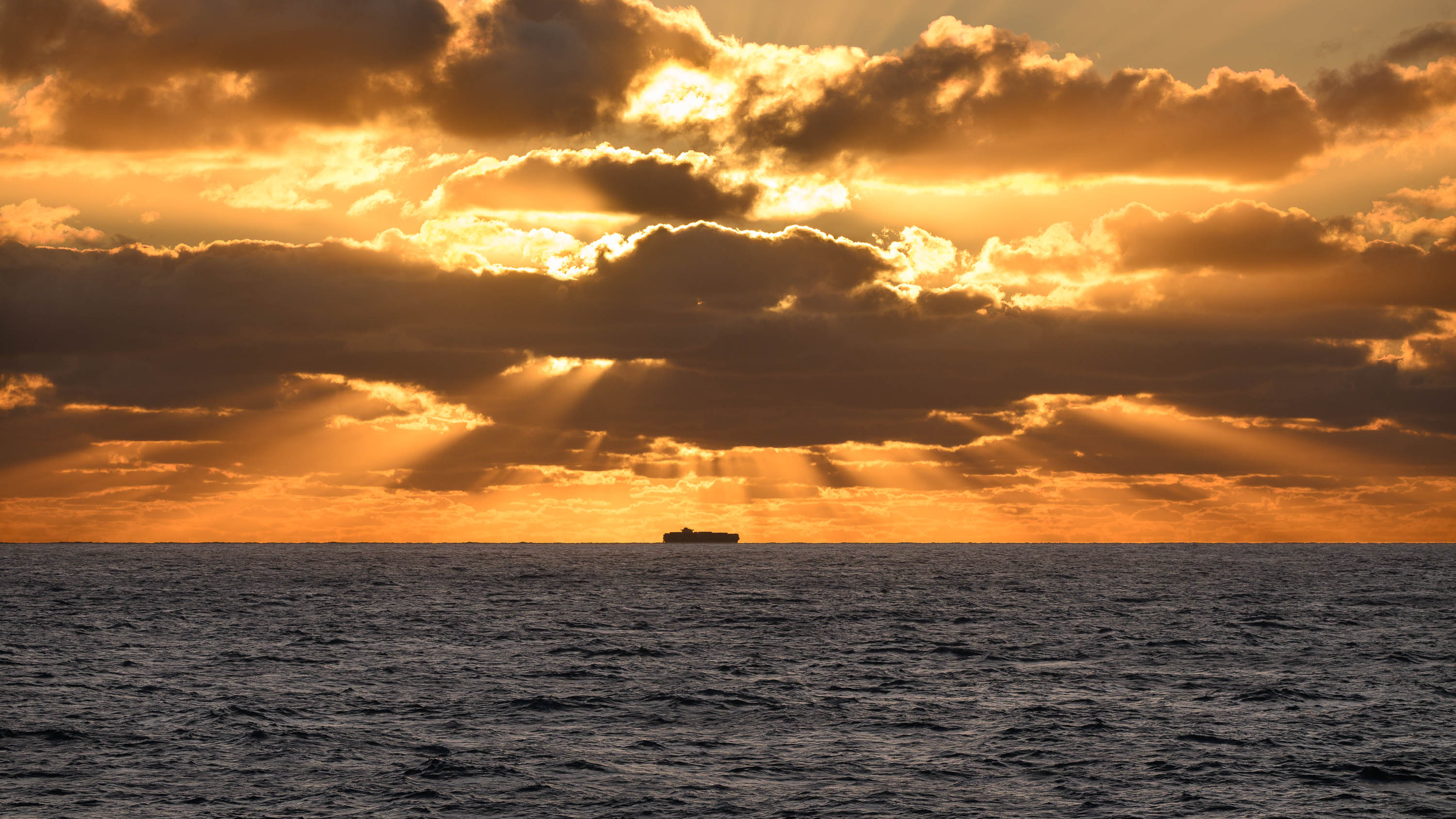
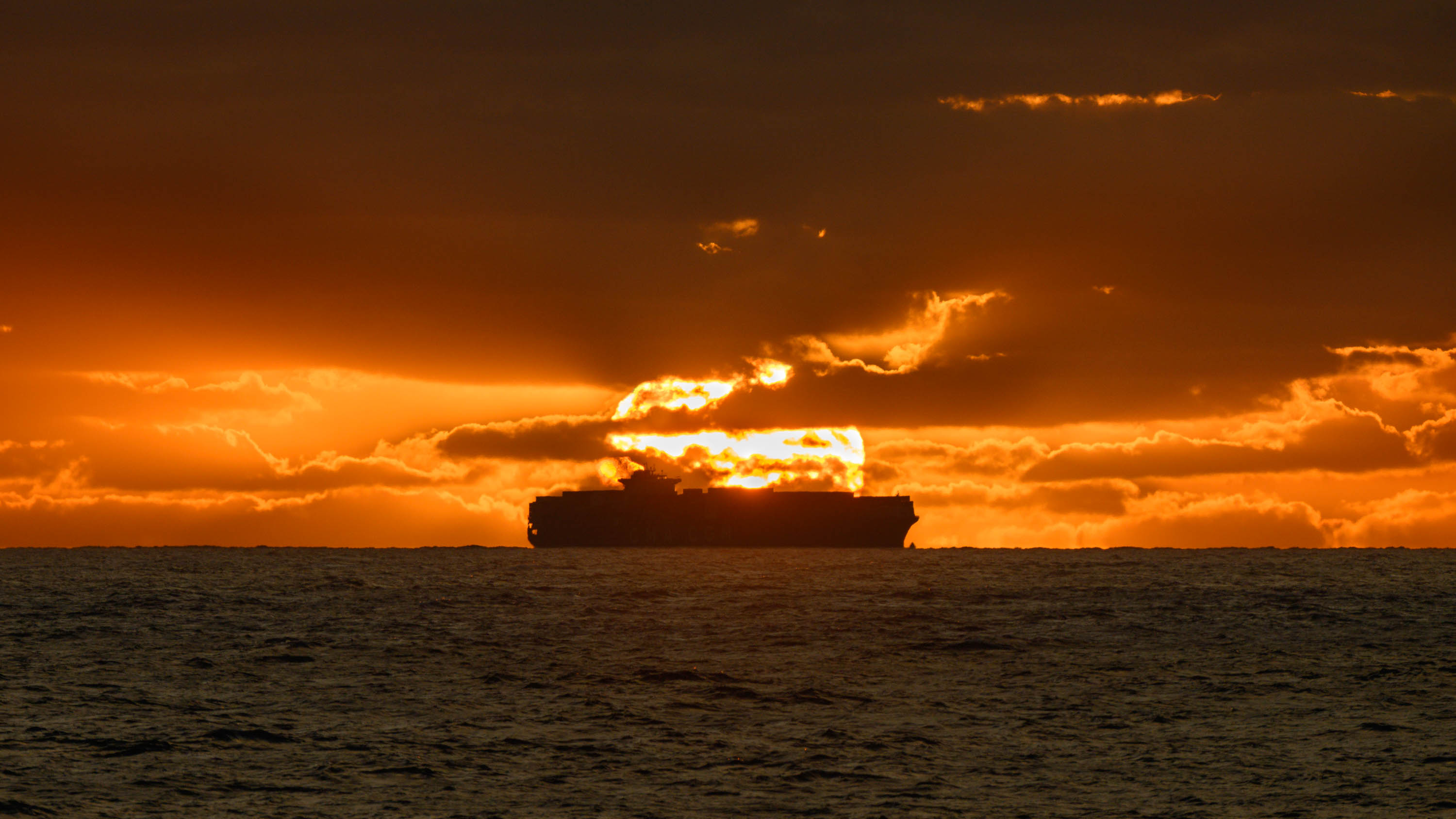
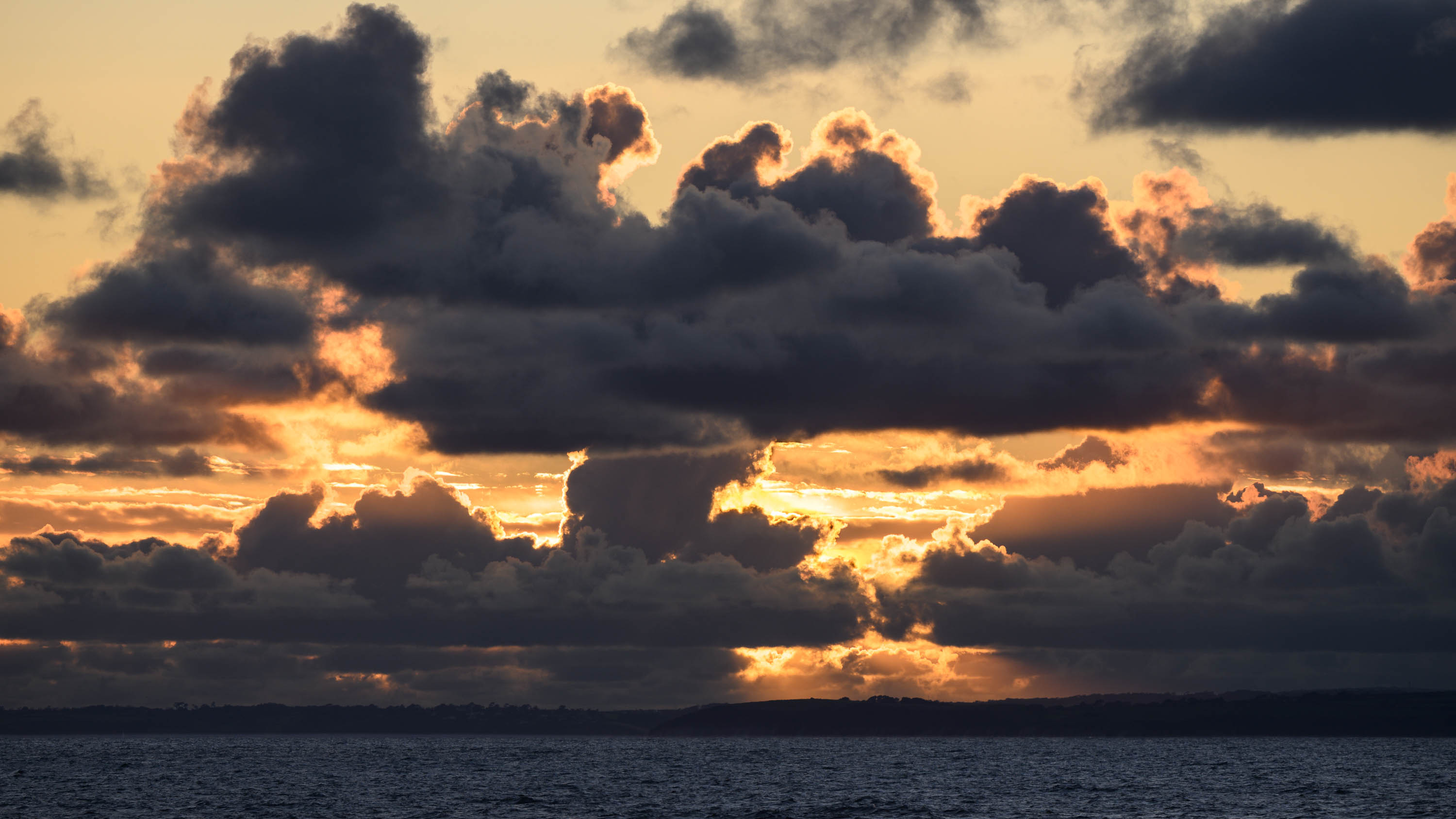
The sunset was colourful again and a suitably placed container ship made for a nautically themed sunset.
Sunday 18 October
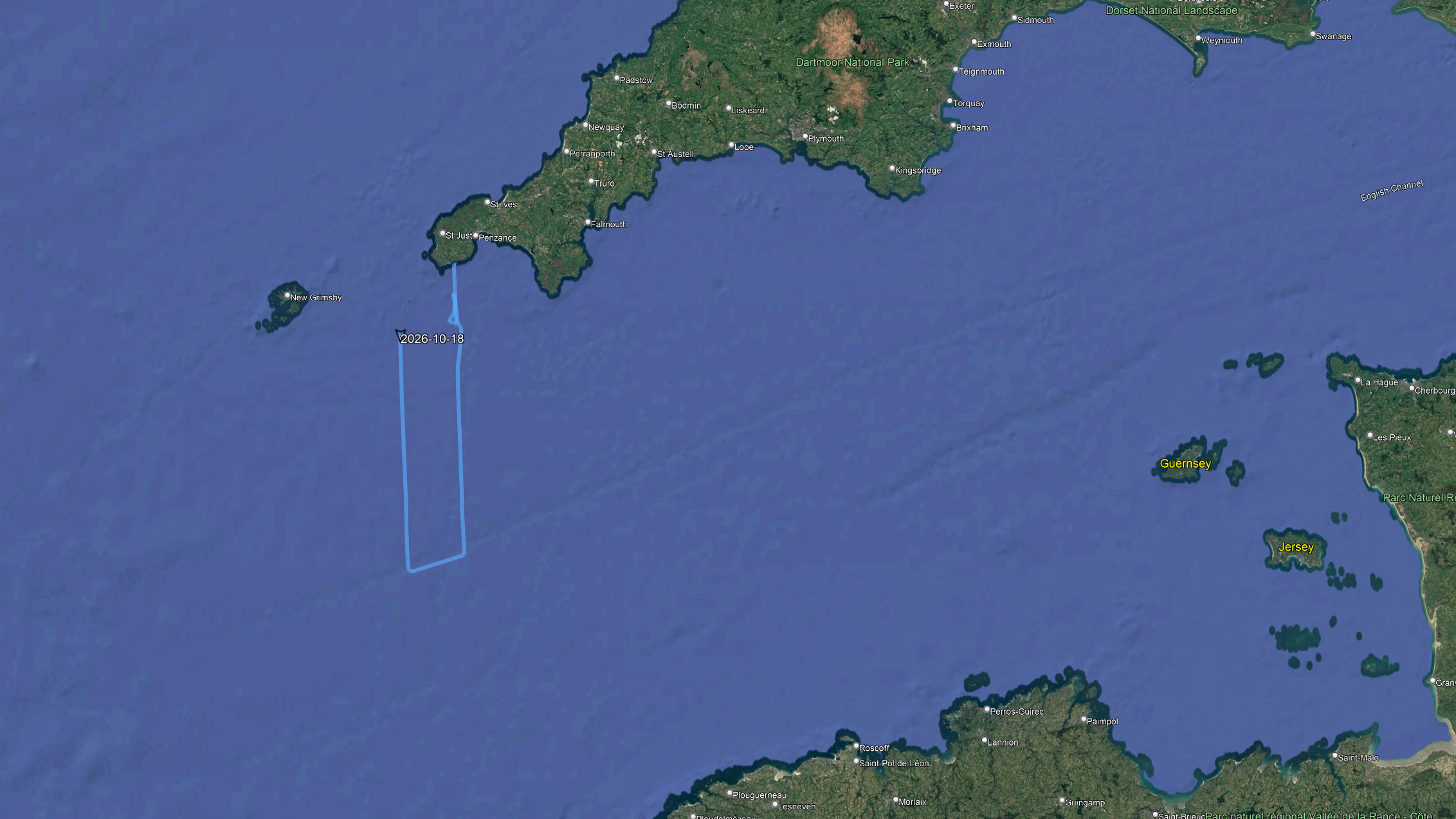
Our starting point for this transect was close to the rugged Cornish coast at Porthcurno, where many of the early trans-Atlantic submarine cable came ashore. Another glorious morning, clear skies, although still with the fresh northeasterly breeze, which this morning actually had real chill to it for the first time.
The wind freshened as we headed offshore and we soon had the now familiar sea state five. We had the usual near-shore burst of birds as we set off, though there weren’t that many this morning. After an hour Jeroen appeared on the bridge with a smile on his face and we knew we were in for a break – a trawl was impending.
Even though surveying stops during the trawl, watching the ocean and skies doesn’t. Scanning the sky, I picked up a distant bird of prey circling over the ocean – we were 12km or so offshore at this time – although a speck it had the distinctive soaring shape of a Common Buzzard, the first time this species has been seen during the survey.
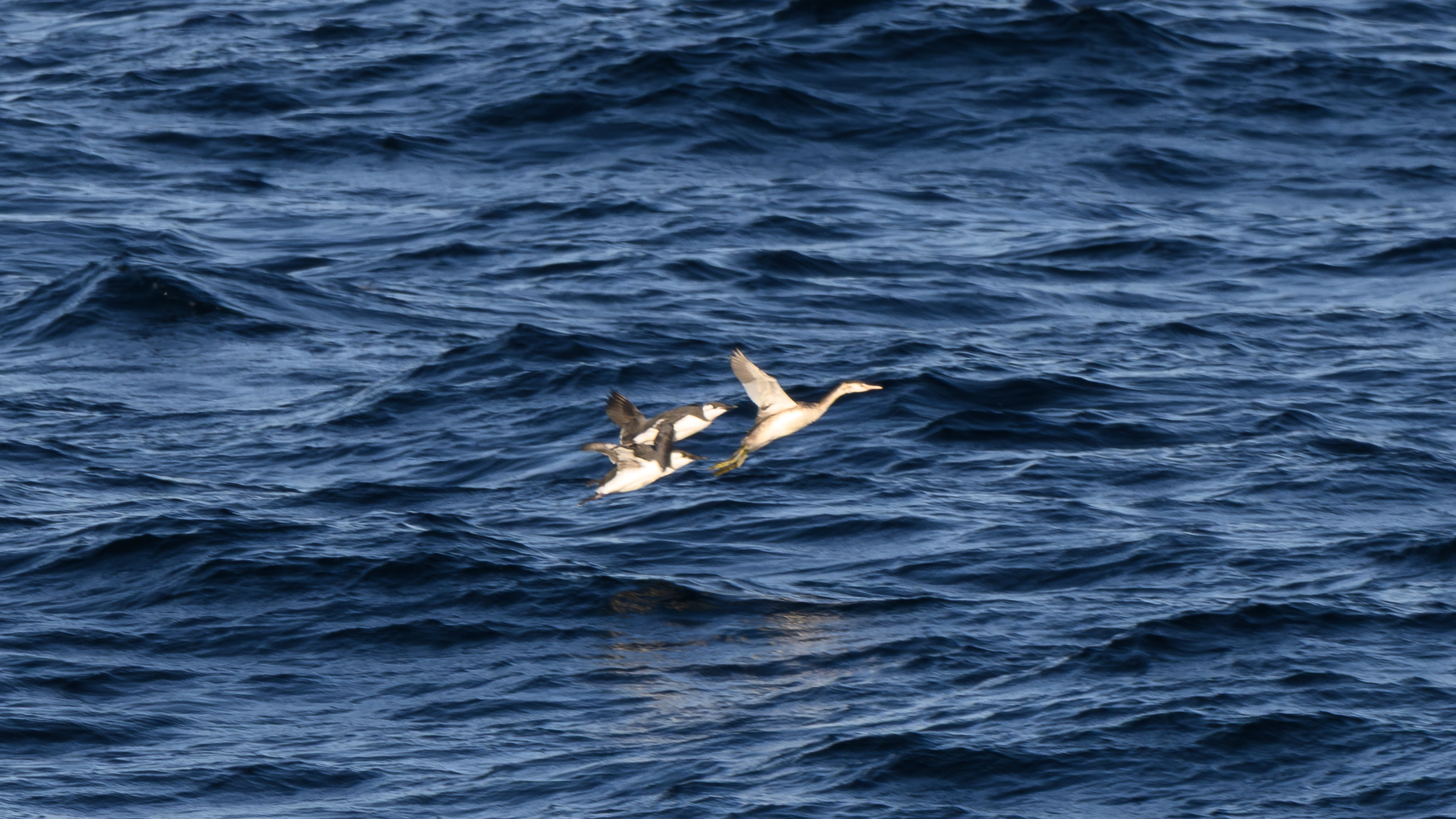
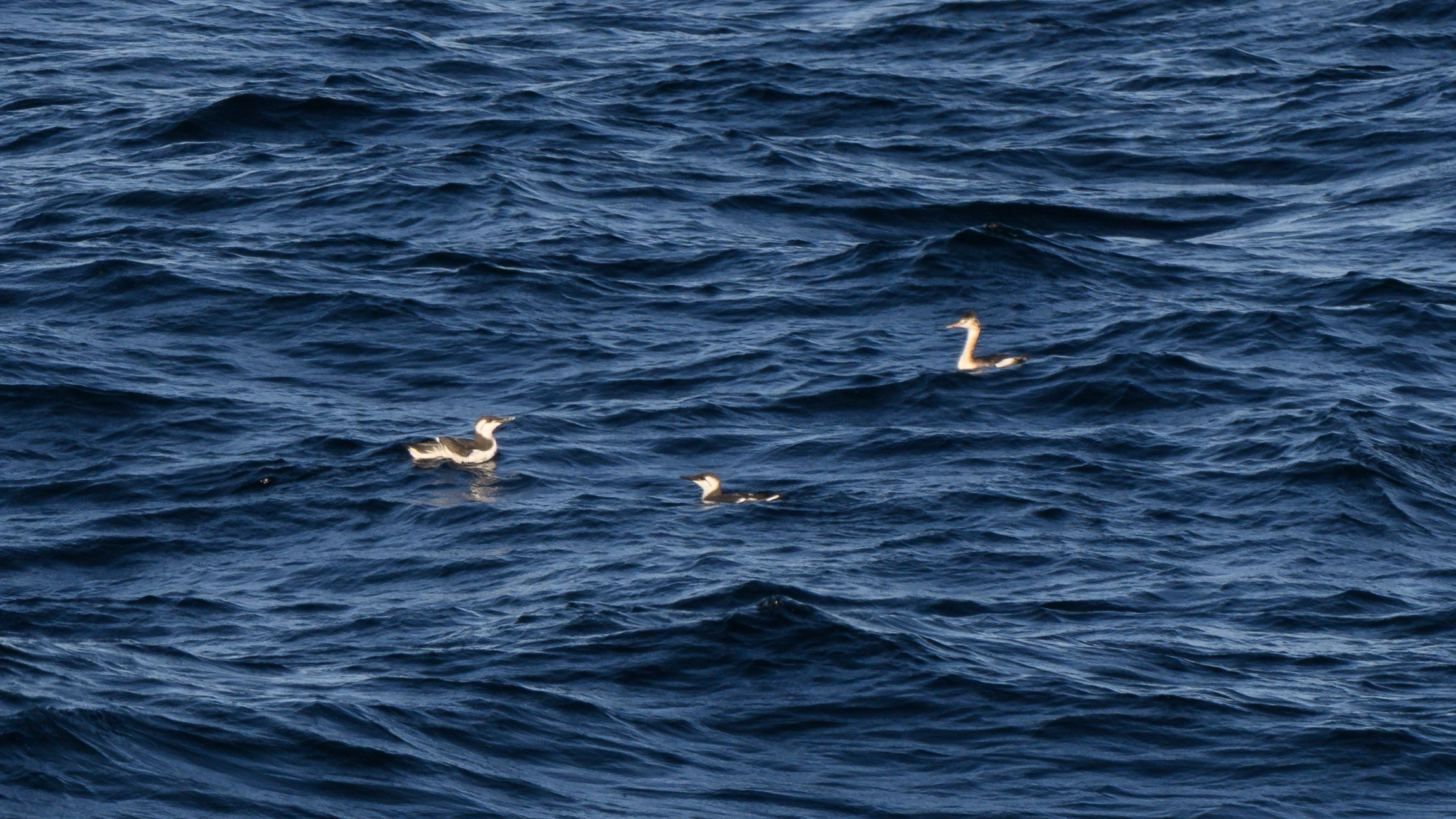
A short time later I spotted a group of three birds heading towards us, two were auks the third looked odd, with good reason – it was a Great Crested Grebe! Remember, we’re 12km offshore so not really the place you’d expect to see a grebe and certainly not in the company of two Guillemot, a very bizarre sight.
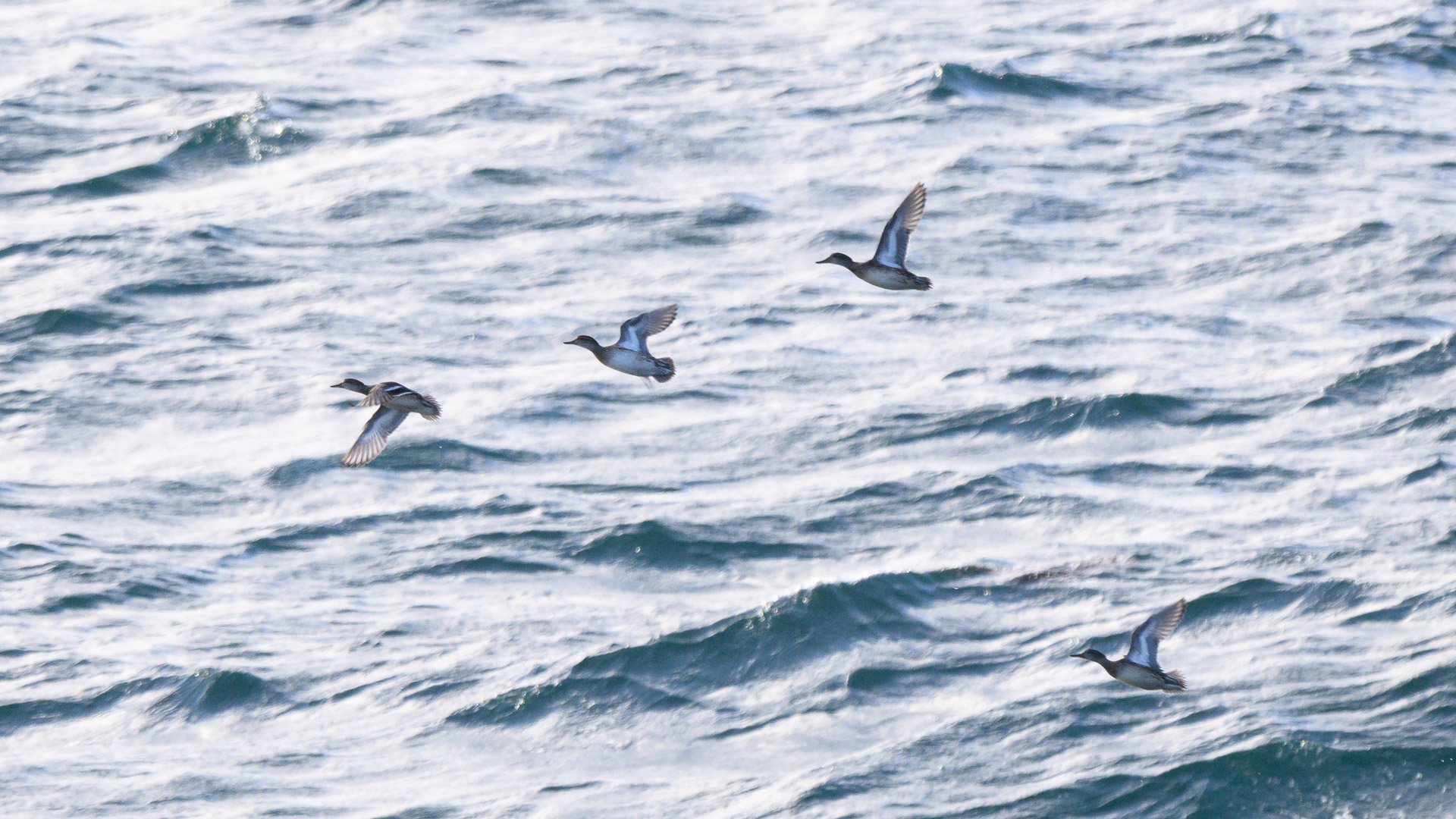
Back on transect the birds were few and far between, although nice to see the odd flock of European Storm Petrel, and a little closer than they sometimes come. A flock of four brown ducks flew past, looking rather odd but assumed they were female Common Scoter. A short time later they came past again and promptly landed on the sea about 600m ahead of the ship. Photos showed they were in fact four Eurasian Teal, again a species you don’t expect to see sat on the sea offshore. A second record for the Peltic survey.
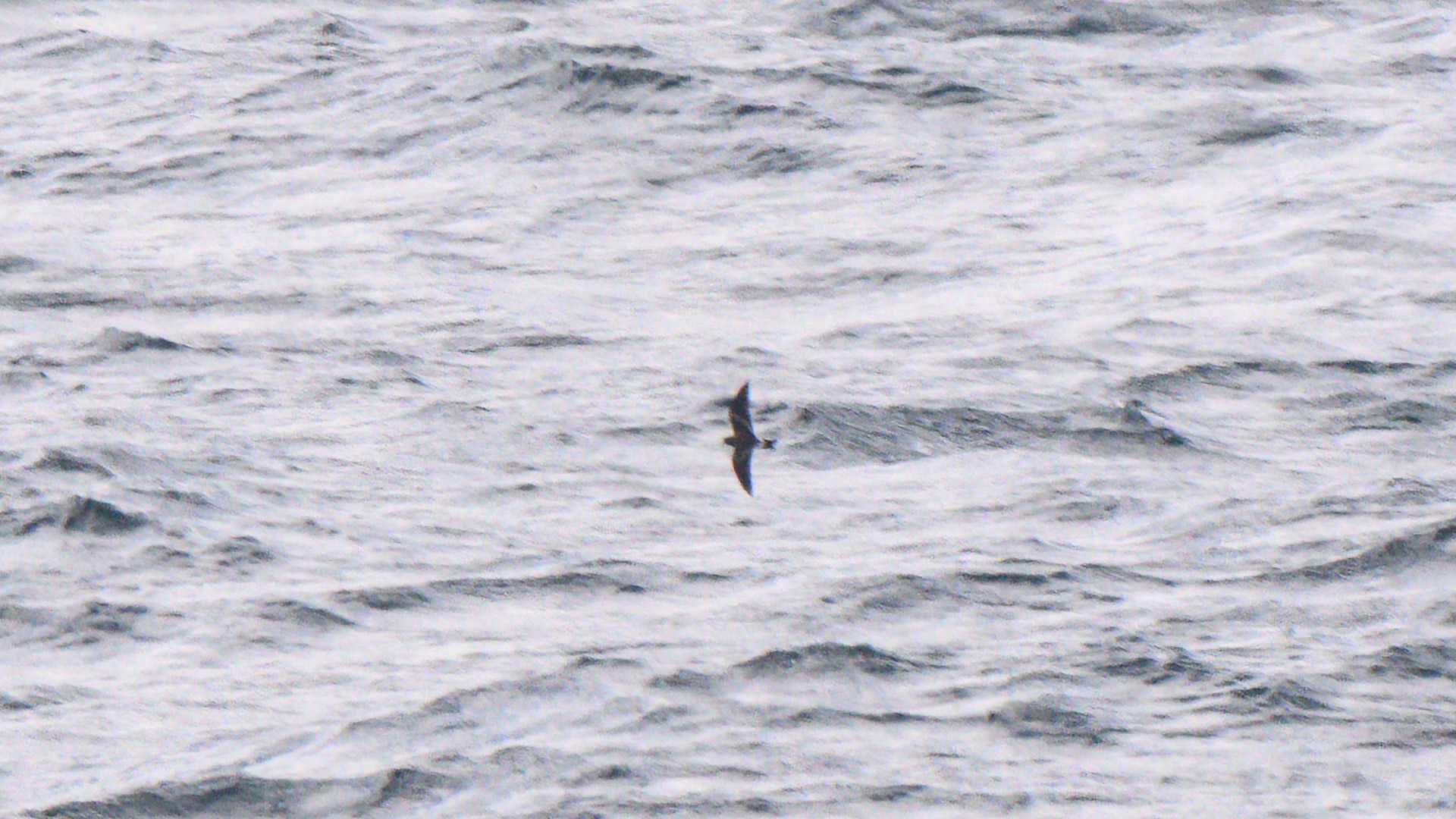
There may have been few birds but at least there was quality, four minutes after the Teal a Leach’s Storm Petrel flew past in close company to a European Storm Petrel, really emphasising the size difference between the two species. Relatively close to the ship on first sighting by the time I got on the bridge wing to try and get a photo it had moved away. As this is now the fifth Leach’s we’ve seen I thought it was time to post a photo of one of this year’s birds – very much a ‘record shot’ but at least you can identify it.
Cetaceans were few and far between on this transect, although at least we did record them, just two encounters with seven Common Dolphin.
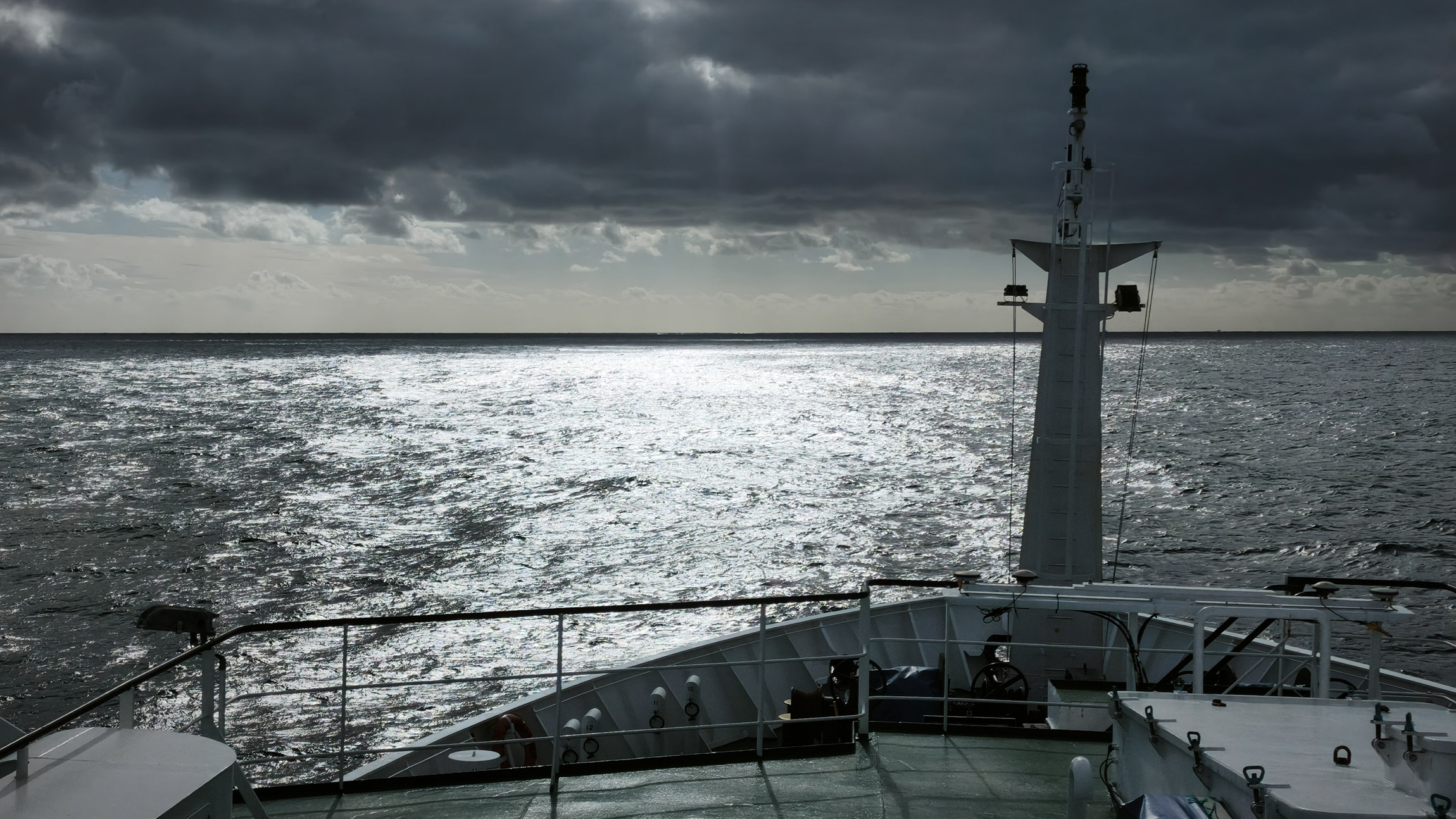
Heading due south on a clear day makes glare a real issue, by midday it’s impossible to look directly ahead of the ship. The photo gives some idea as to how bright it is and was taken just before the cloud came over and gave us relief and some really good observing conditions.
With no marks on the echo sounder we headed west to the next transect. The hour transit produced nothing at sea although a Chiffchaff and Stock Dove appeared on board.
If we thought the last transect had been quiet it was nothing compared to this one – we recorded just 42 birds in just over three hours and nine of those were a group of Great Black-backed Gull.
Cetaceans were a little better. We had four encounters with small pods of Common Dolphin in the space of 15 minutes; that close together they were likely all part of a larger pod which had split up to look for food. We had to wait another two hours for our next encounter, this time Bottlenose Dolphin, a pod of 12 seen swimming slowly across our path about 800m ahead of the ship. Sadly, they dived and we never had a decent view of them, still nice to get our second pod of Bottlenose though.
The setting sun thankfully brought an end to proceedings; we have one more day at sea and then it’s into Fowey for the mid-survey break.
Monday 19 October
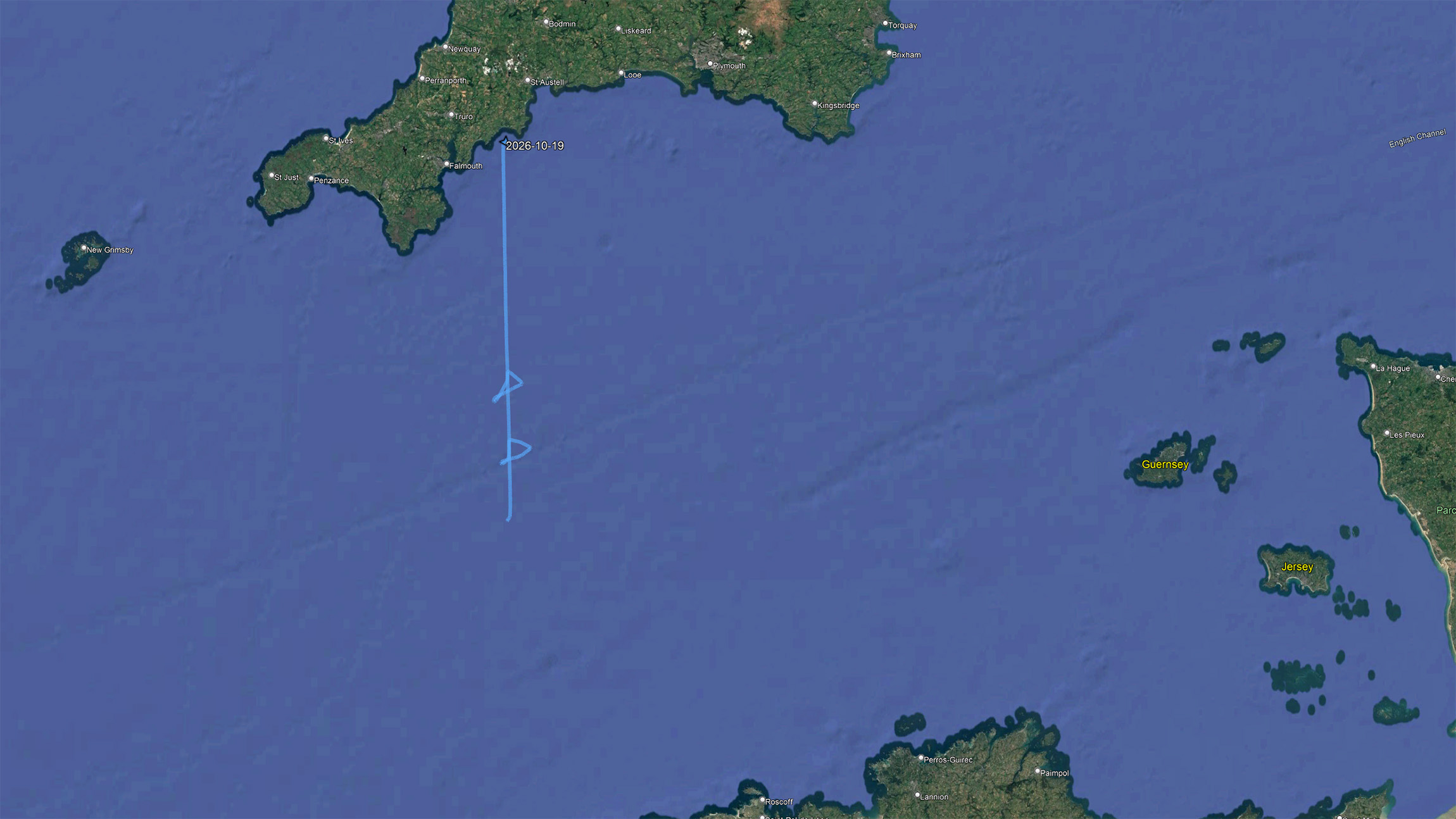
Today’s transect started mid-Channel and headed north to finish just east of Falmouth, we still had a very choppy sea state four but at least the forecast rain was clear of us. I don’t know if it was down to the northeasterly winds, but there were again very few birds about, we recorded just 12 in the first hour. There were, however, plenty of Common Dolphin, we had recorded 79 in seven encounters before we stopped to trawl at the end of the first hour.
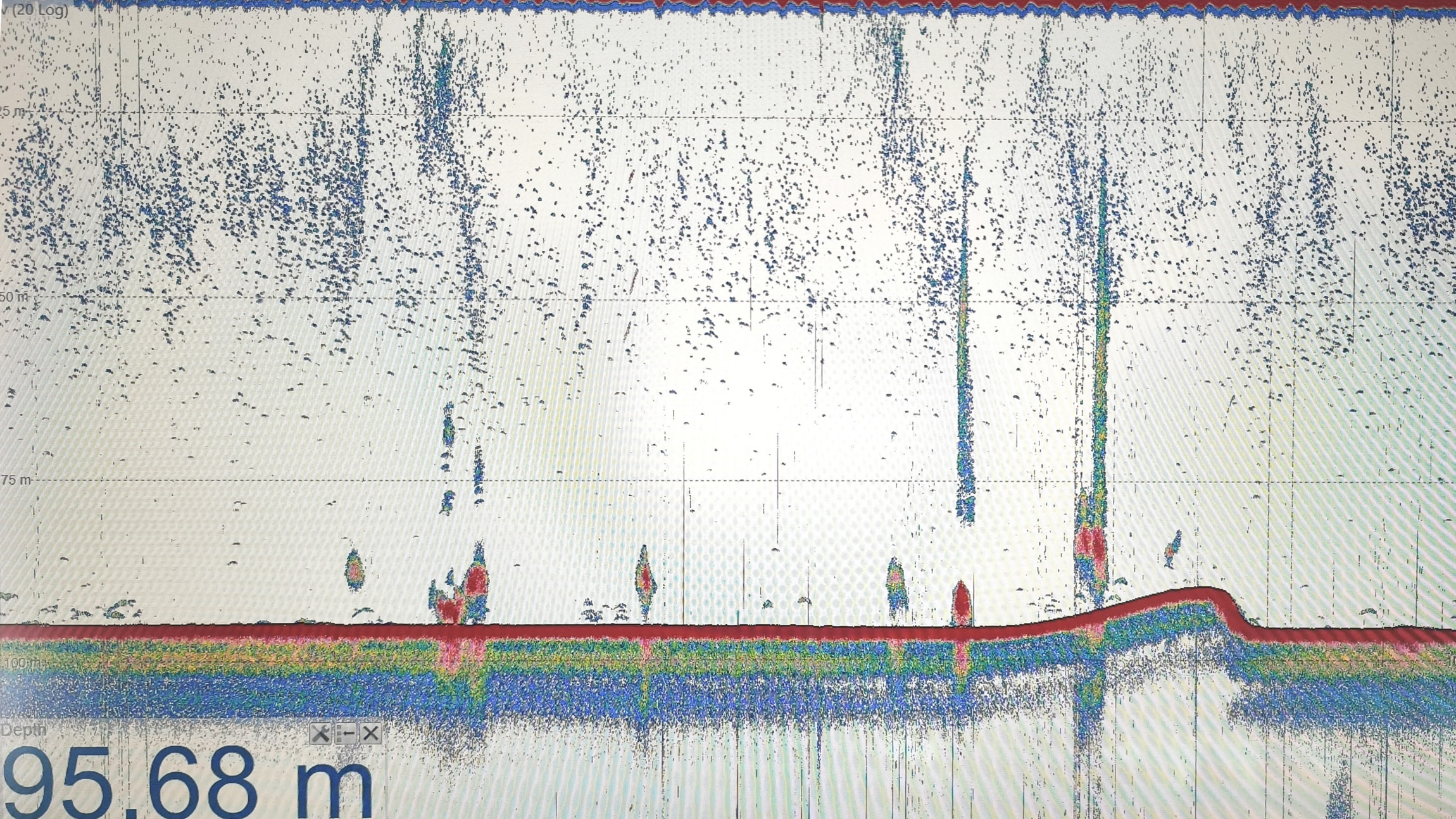
A glance at the echosounder showed why Jeroen was keen to trawl, the tall shoal of fish is likely Sardine, but Jeroen needed to be sure that was the case. As soon as we broke from the transect more Common Dolphin came towards the Endeavour – in large pods – probably over 200. The number of dolphin were perhaps not surprising given the amount of fish below us.
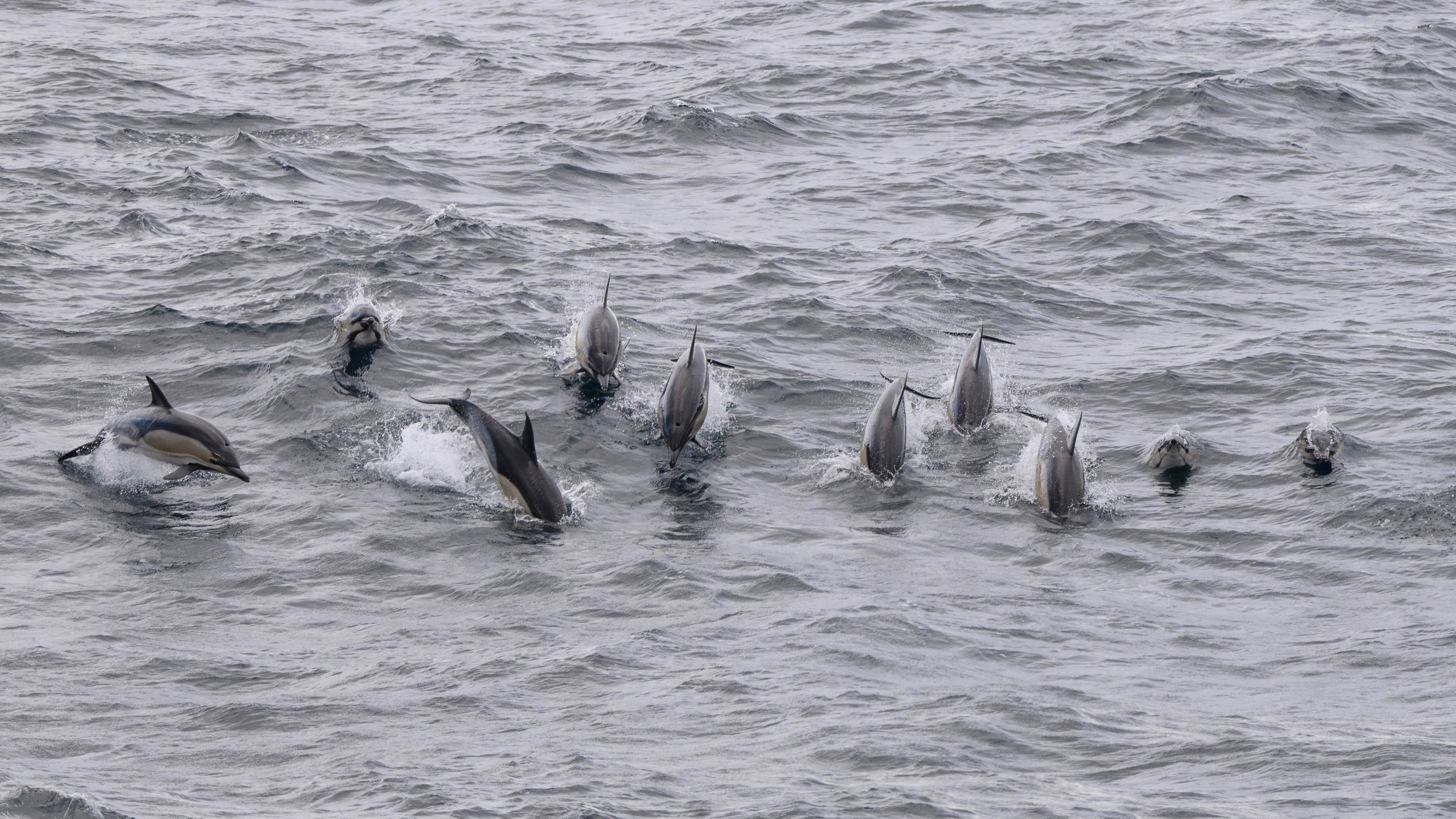
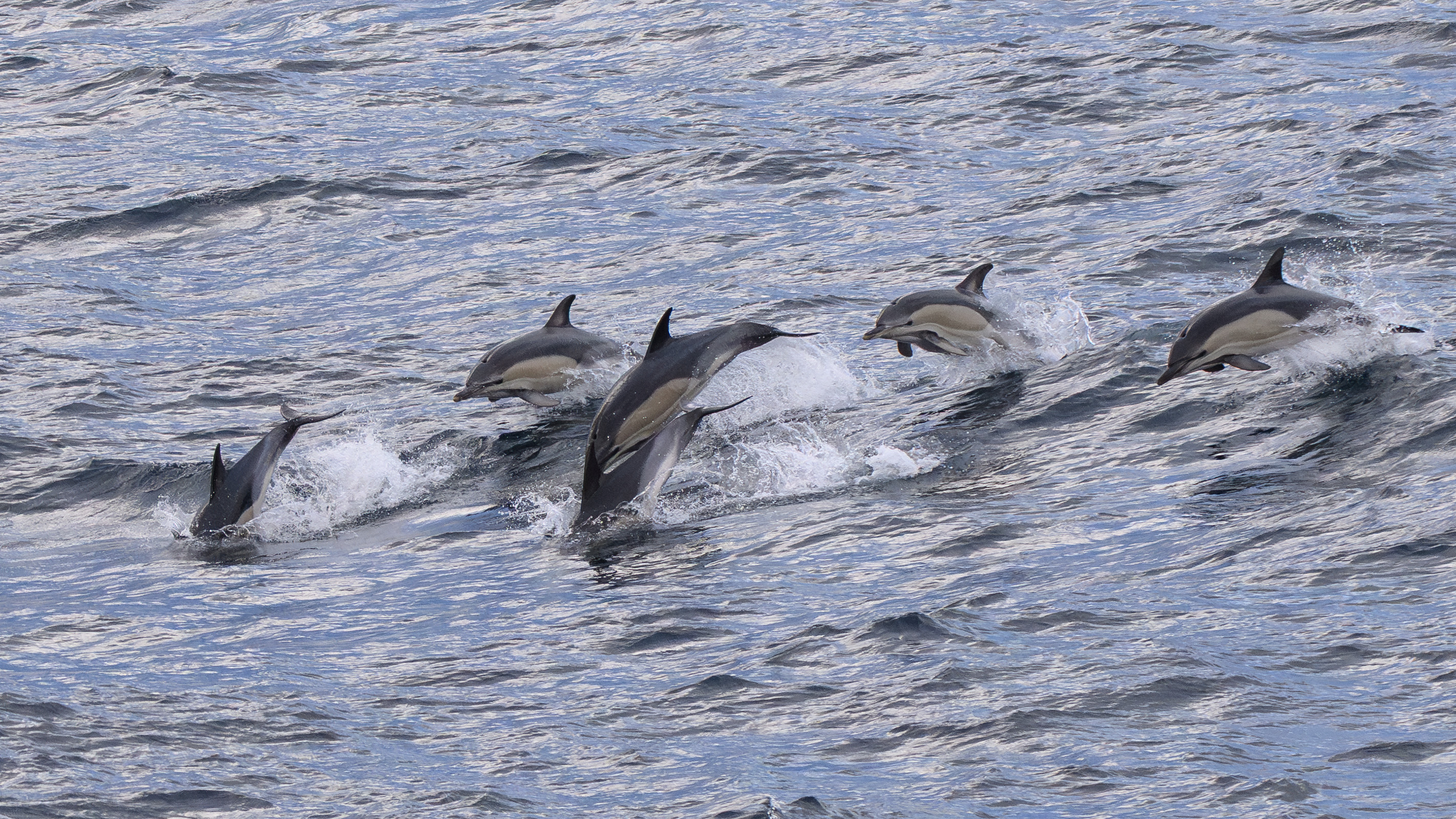
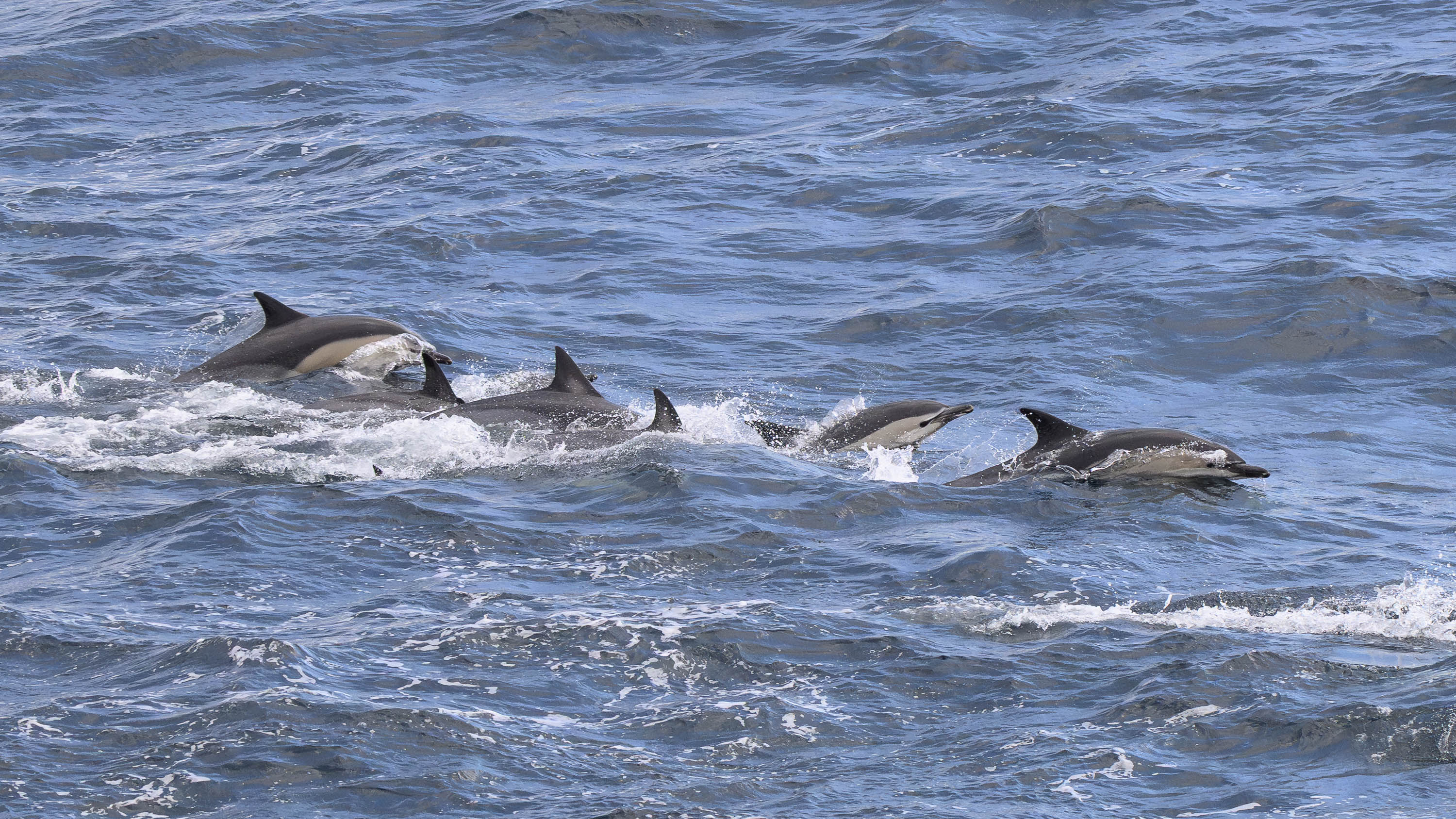
With all the dolphin around Jeroen cut the trawl short, they were visible on the echosounder below the ship so potentially also near the net, and when hauled the net was empty – the first invalid trawl of the survey so far.
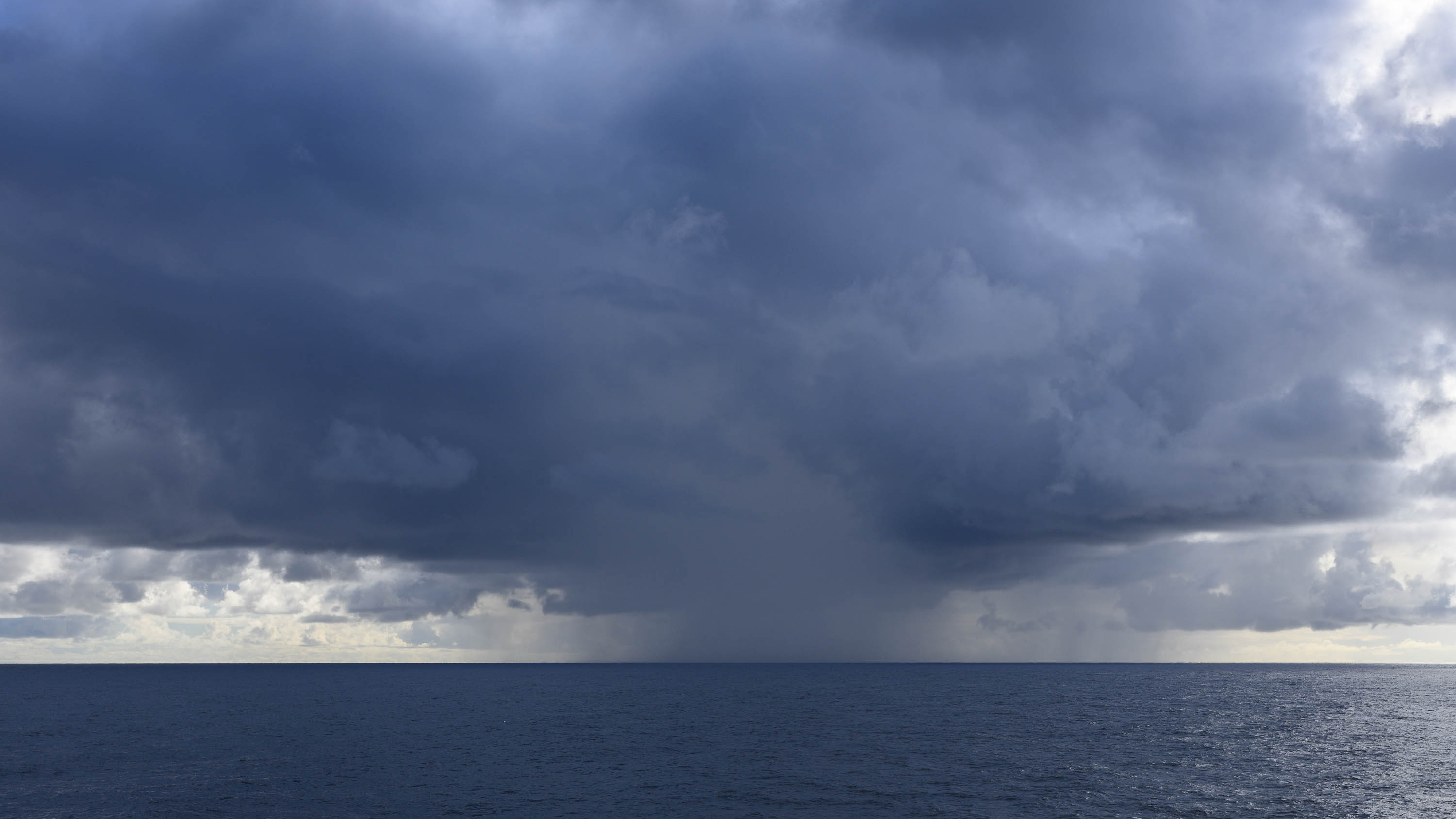
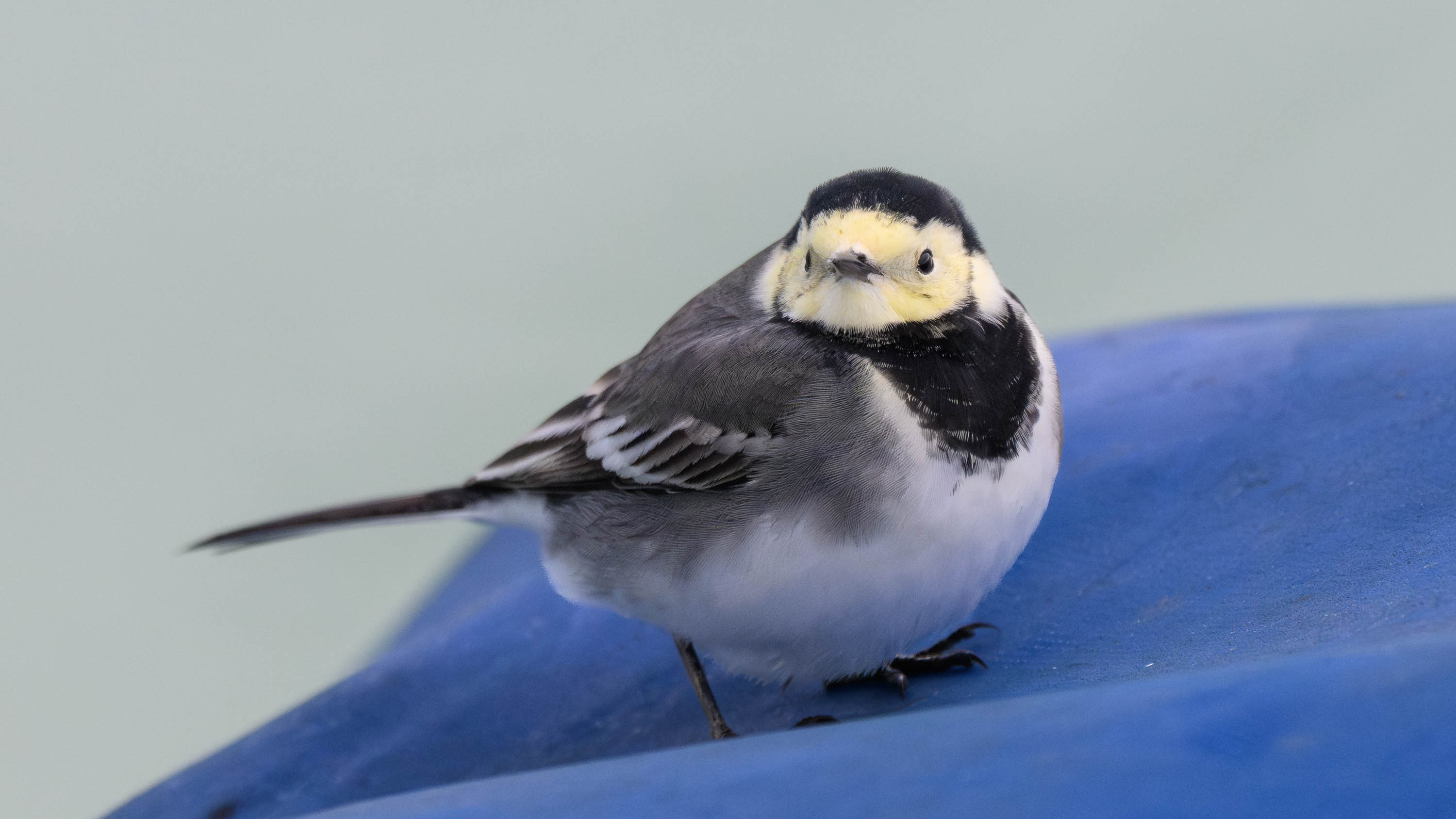
During the trawl there was a little bit of rain and a few terrestrial birds appeared on board, sadly nothing unusual – two Robin and two Pied Wagtail – but at least one of the wagtails chose to shelter right in front of the bridge.
So, back to the transect for us and trying to spot the few and far between birds, which were largely Gannet, Kittiwake and auks. We had also left most of the Common Dolphin behind too, we had a further five encounters but only with small pods totalling 20 animals.
At 11:30, very conveniently in time for a relaxed lunch, Jeroen called for another trawl. This time there were no dolphin around and still plenty of fish showing on the echosounder and the trawl was a success. Only one Great Black-backed Gull showed up as we hauled – a sign of how few birds were around us.
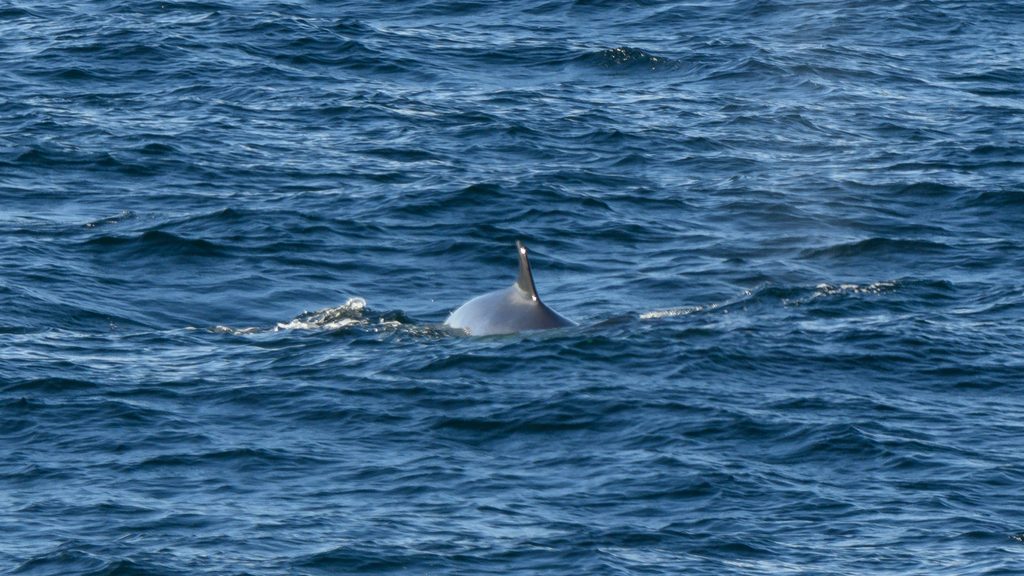
Back on transect we finally added Minke Whale to our cetacean sightings list with one rolling three times 6-700m off the port side.
Seabird sightings remained scarce until we started heading into Falmouth Bay and we started to see numerous feeding flocks of Gannet and Kittiwake ahead of us. By the time we reached them most had dispersed or moved outside of our one-kilometre recording area, but at least there were birds to record. Unfortunately, despite much searching we couldn’t find any cetaceans feeding beneath the seabirds.
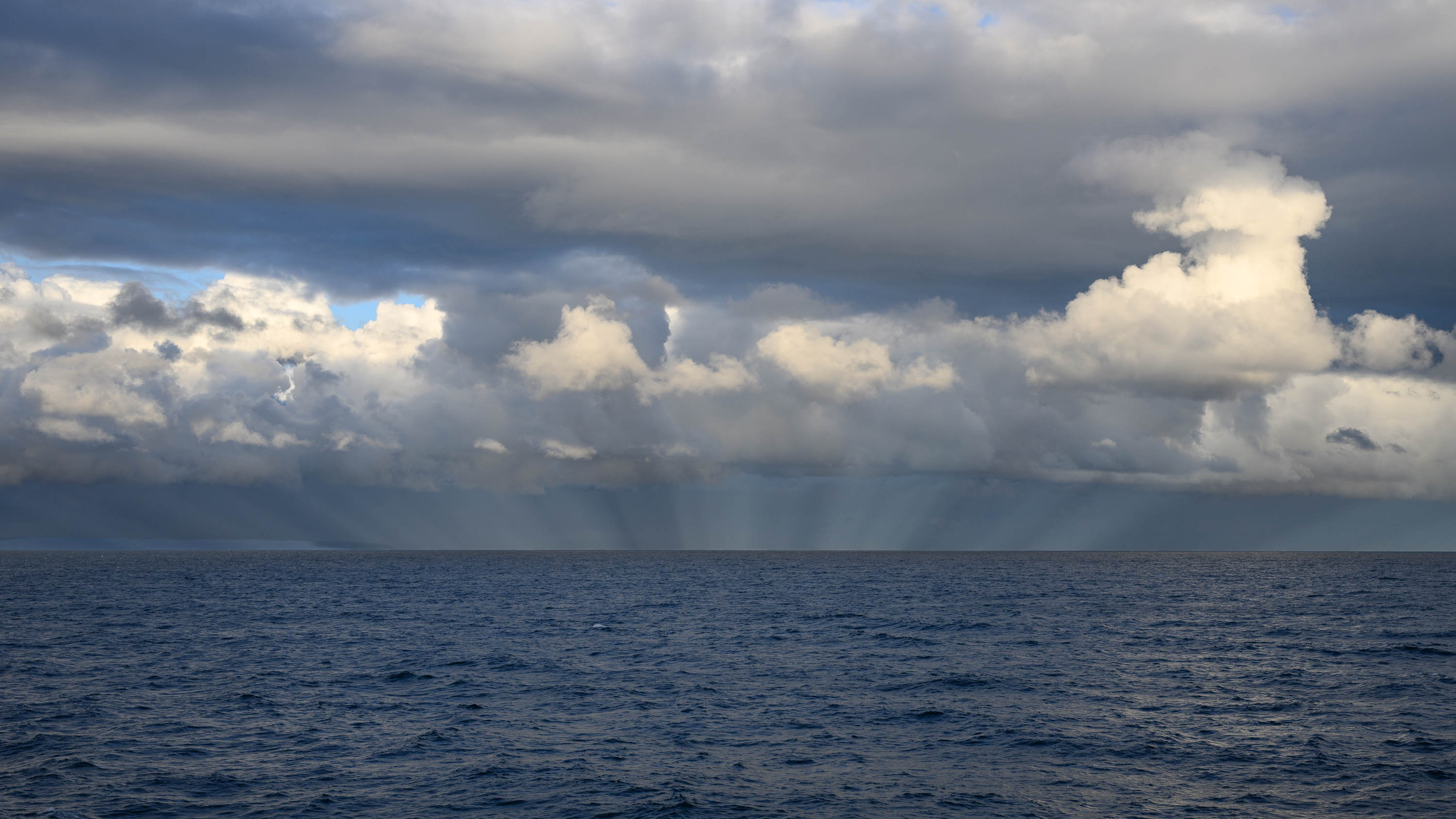
With the transect complete and a slow voyage to cover the 18km to Fowey in time to pick up the pilot at midnight, we had time to watch the world go by and look at some lovely evening light on the shower clouds to the east of us as the sun set.
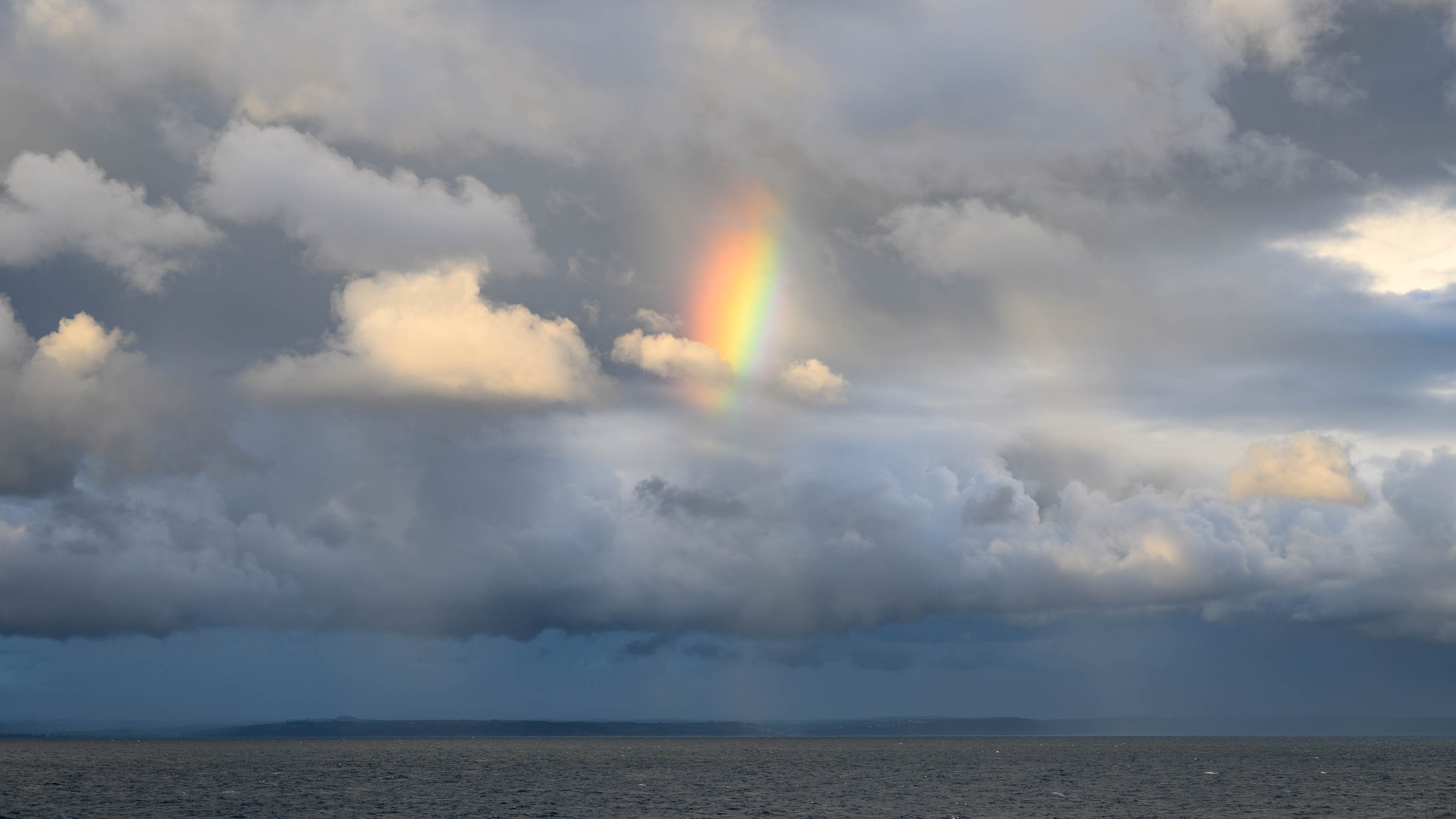
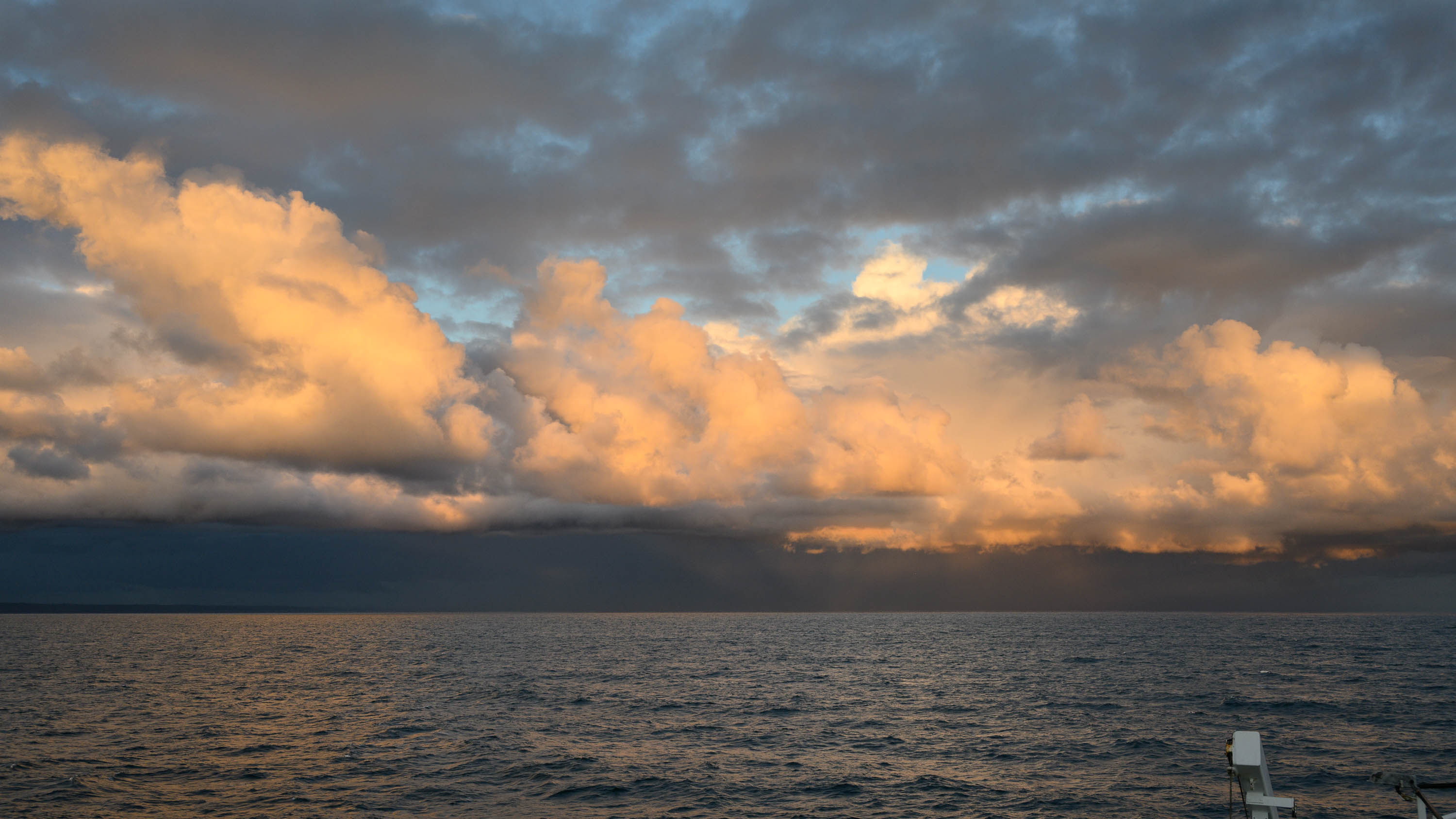
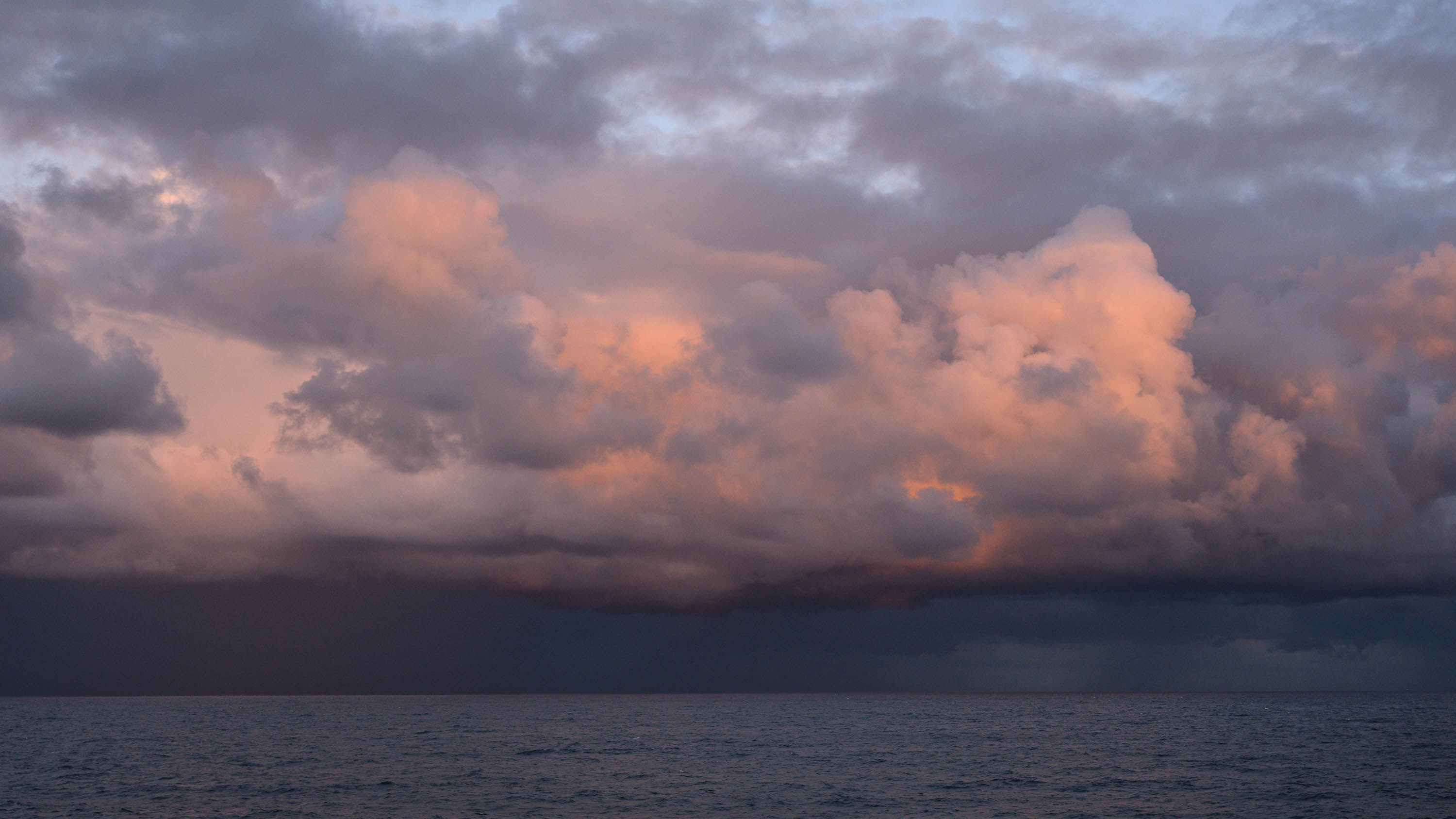
The following day is the mid-survey break in Fowey break where the CEFAS Endeavour has a crew change, four of the CEFAS scientists change, and the two JNCC observers change. Unfortunately, I also lose the company of Robin, as there was a shortage of cabin space for the second half, I will miss his company on the bridge.
The forecast for the following few days is not great so there may be an extended break in Fowey.
Species recorded
Marine mammals
- Bottlenose Dolphin 12
- Common Dolphin 221
- Minke Whale 1
- Tuna sp. 2
Seabirds
- Auk sp. 102
- Black-headed Gull 1
- Common Gull 9
- Common Scoter 3
- Duck sp. 1
- Gannet 416
- Great Black-backed Gull 14
- Great Skua 3
- Guillemot 73
- Herring Gull 6
- Kittiwake 154
- Larus sp. 22
- Leach’s Petrel 1
- Lesser Black-backed Gull 3
- Manx Shearwater 18
- Mediterranean Gull 1
- Puffin 4
- Razorbill 39
- Shearwater sp. 1
- Sooty Shearwater 1
- Storm Petrel 23
- Teal 4
Terrestrial birds
- Chiffchaff 3
- Common Buzzard 1
- Dartford Warbler 1
- Great Crested Grebe 1
- Pied Wagtail 2
- Reed Warbler 1
- Robin 2
- Stock Dove 1