Saturday 3 October
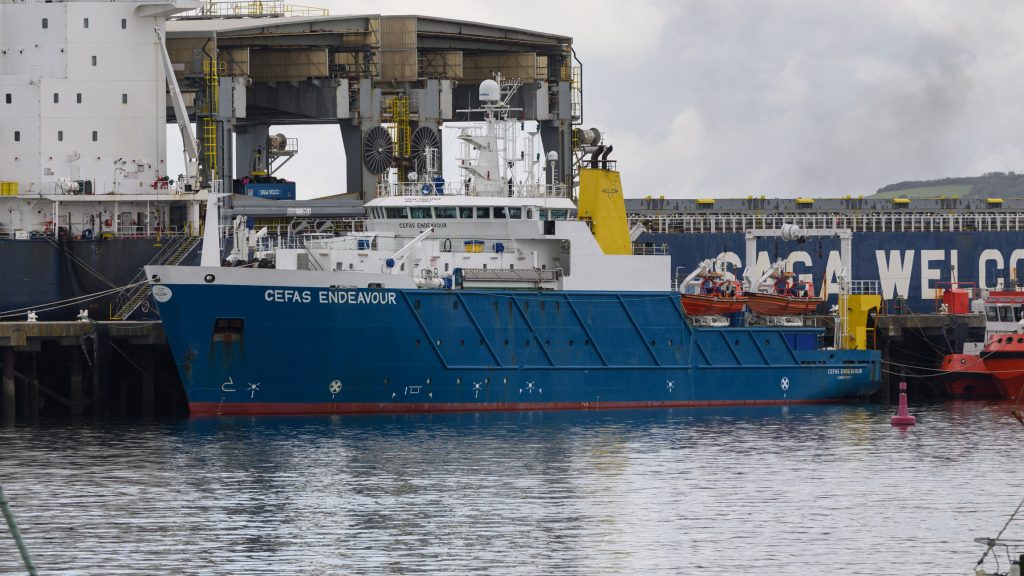
Yes, it’s October so that means it’s Peltic time again – certainly doesn’t seem like a year since I was last on board the CEFAS Endeavour. The MARINElife team onboard this year is Robin Langdon and me – Peter Howlett. I boarded the Endeavour in Falmouth on the 2nd; Robin travelled down with the CEFAS team from Lowestoft on the 3rd.
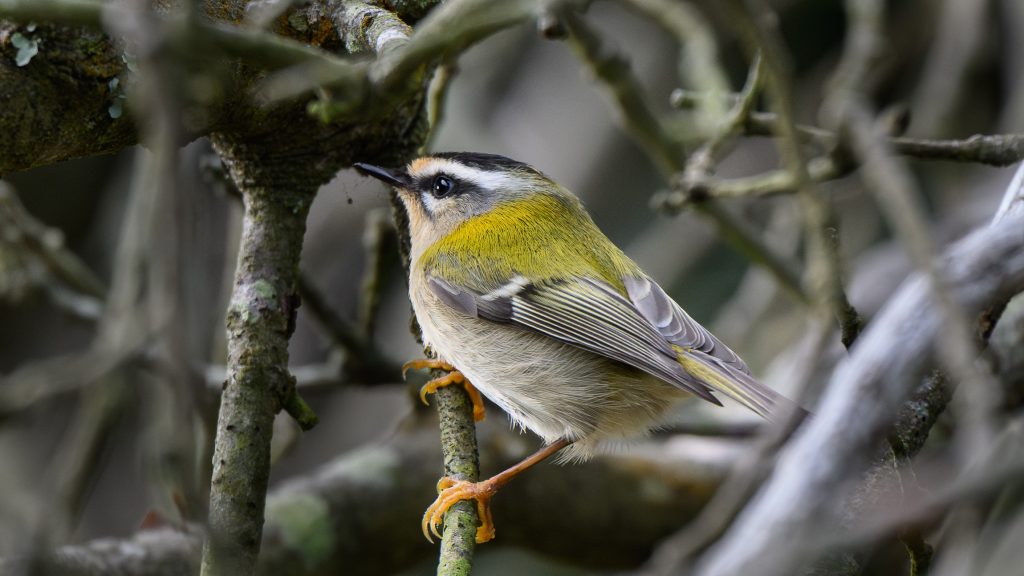
Getting to Falmouth on Friday meant I had a chance to do some birding around Pendennis Castle and Pendennis Head. Despite spending a few days in Falmouth over the years for the Peltic survey I’ve rarely been able to find any Firecrest – not this year, there were loads of them – I counted a minimum of 18!


Down at the headland there were a few Rock Pipit making themselves very obvious but, despite flat calm seas I couldn’t see any Harbour Porpoise but, being a Saturday there was a lot of boat activity.
We sailed on the evening of the 3rd and will head towards Portland ready for the morning of the 4th to do some calibration of the sonar (something that can take a few hours or the whole day) and then begin the transects for this year’s survey.
Sunday 4 October
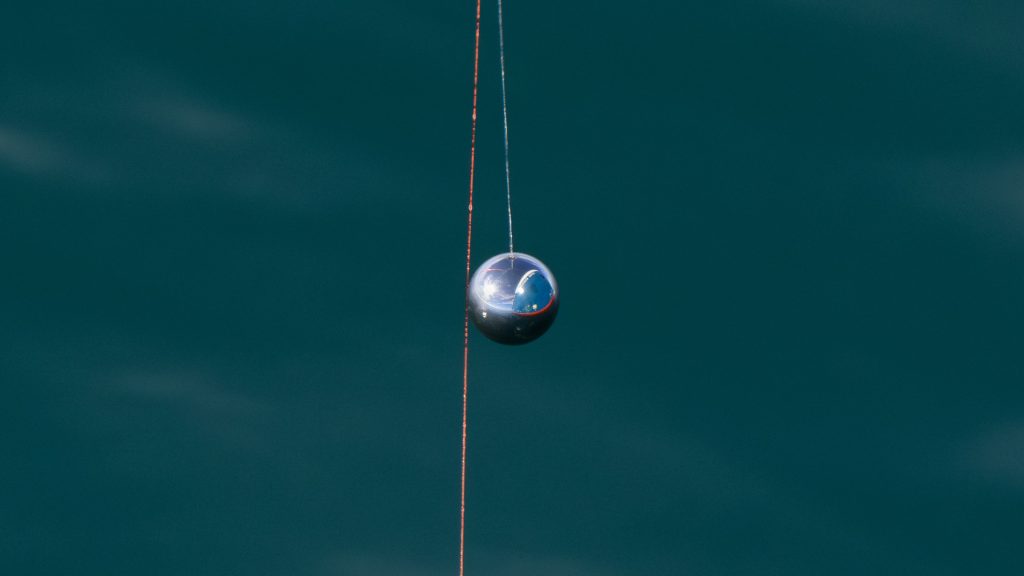
We made good progress overnight and by dawn we were rounding Portland Bill and only a few miles from a suitable position to carry out the calibration. Conditions were ideal with a sea state of zero or one and little swell. Calibrating the echo sounder is required at the start of the survey to ensure the sounder is indicating the correct density of fish it detects. The calibration is carried out using a sphere of known density (photo) which needs to hang under the ship in the beam from the sounder, this requires the ship to be still in the water and so we spent most of the day drifting on the tide.
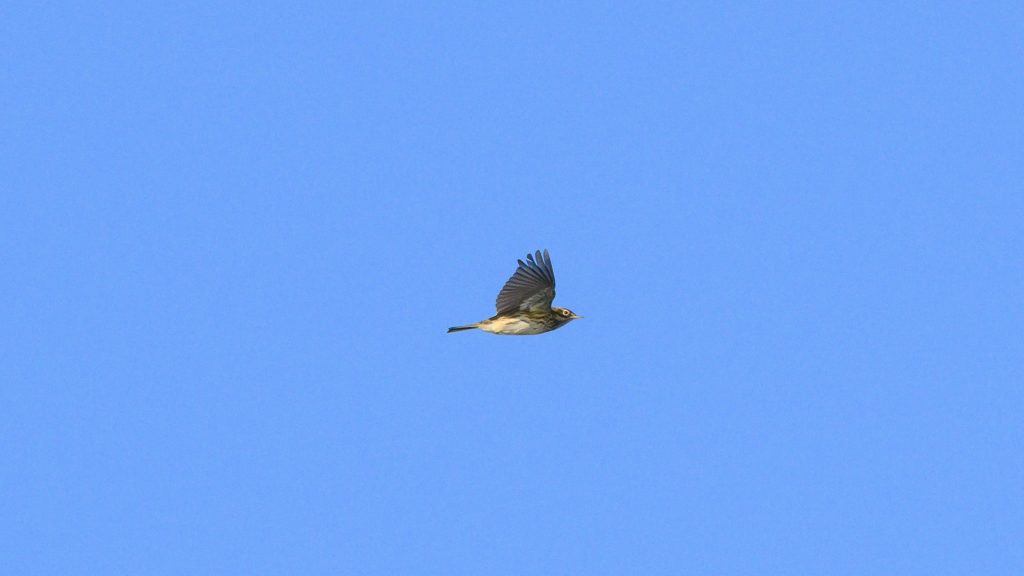
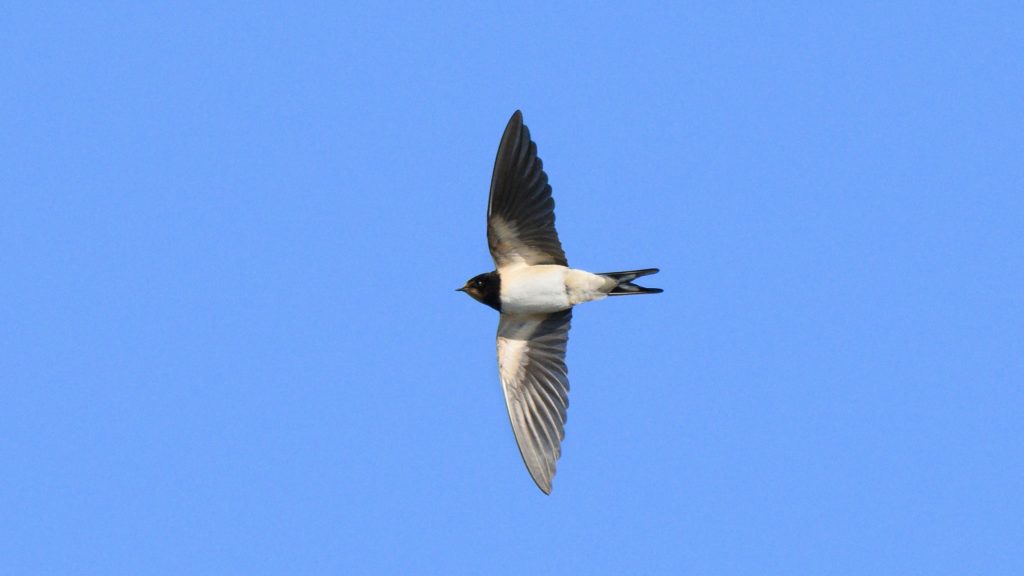
We can’t survey during the calibration process, so we spent the day watching for wildlife. There were plenty of Meadow Pipit (photo) heading west during the morning, although most were too distant to see. There were also a few Swallow (photo) heading south and the odd flock of Linnet. Seabirds were not so numerous, the odd group of Razorbill and Guillemot scooted past (photo) and very occasionally the odd Guillemot drifted a little closer (photo).


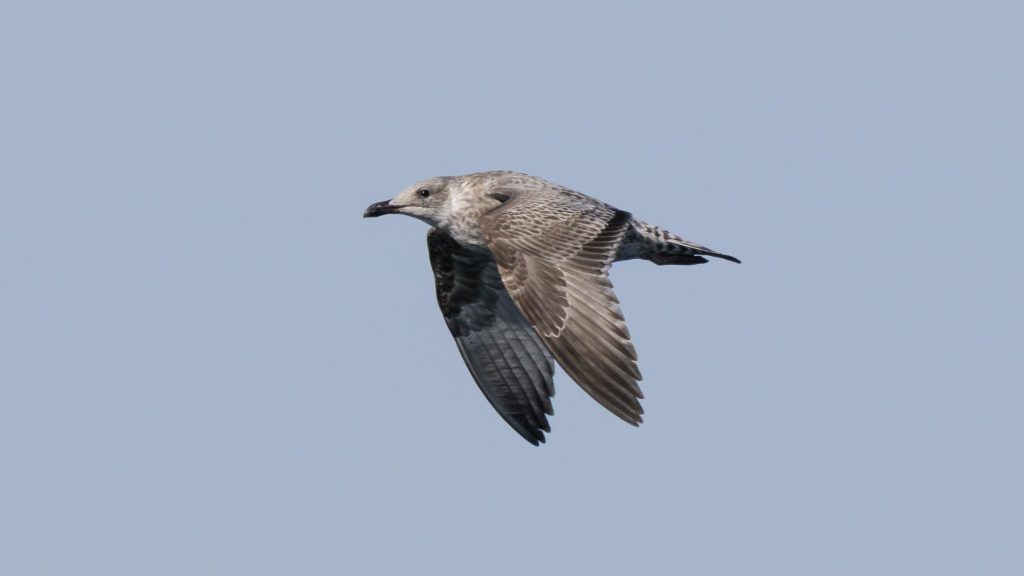
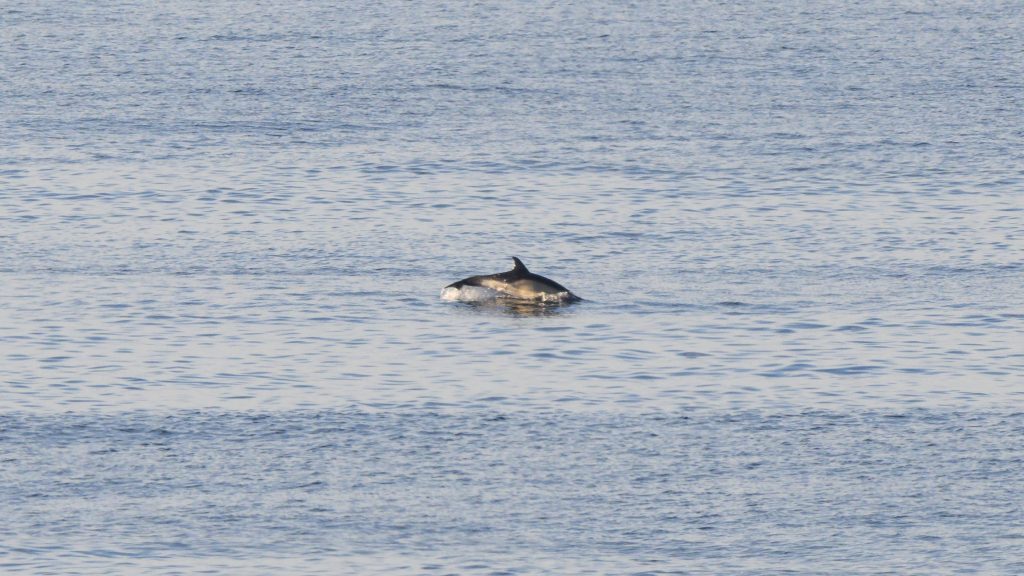
Otherwise, there were a few distant Gannet and Great Black-backed Gull and the odd closer Herring and Lesser Black-backed Gull flying past (photo). Despite the millpond conditions we couldn’t find a single Harbour Porpoise, and it wasn’t until the evening that we finally saw a cetacean – a distant pod of five or six Common Dolphin – they remained distant (photo) but I’m sure we’ll see plenty more of them over the next few weeks.

During the day there had been five warships pottering around to the north of us, in the middle of the afternoon one called the CEFAS Endeavour on the radio requesting we move as they wanted to conduct live firing. They were told it would take over an hour to retrieve our equipment which seemed to be enough to make them change their plans and work around us. They still carried out their firing until they were about five kilometres away and the sounds of the guns was clearly heard and the spray from the shells hitting the water clearly visible (photo). A little Googling told us that they were Ukrainian minesweepers!

With calibration out of the way there was time for a shakedown trawl as the sun set leaving us all set to begin survey operations at first light the following morning.
