24th October
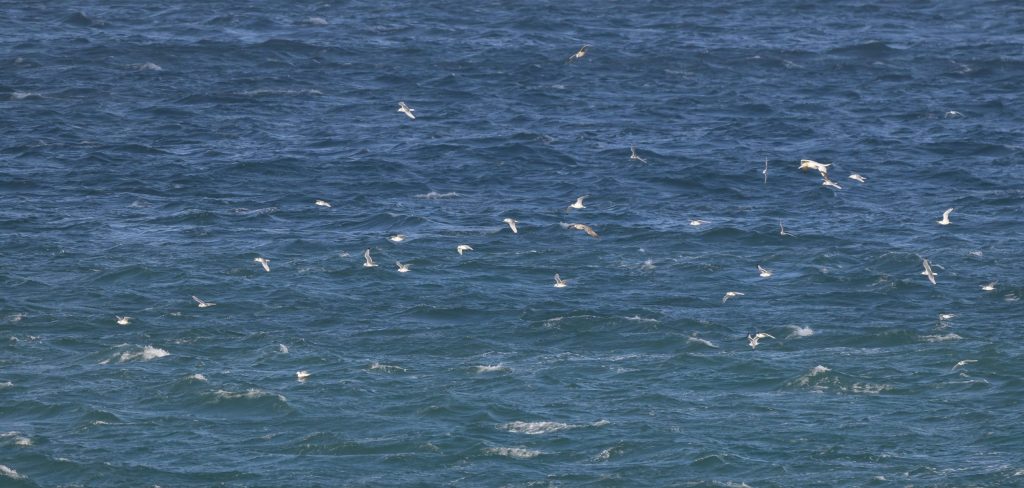

We spent the day at anchor off the east coast of Lundy, winds were 35-40 knots for much of the day and the sea, out of the lee of the island, looked rather rough. However, despite the weather, there were birds to be seen off and on through the day. Thousands of Kittiwake and hundreds of auks were moving around early on, but this settled down to feeding flocks moving around with the tide from mid-morning – annoyingly, the birds remained very distant.
25th October
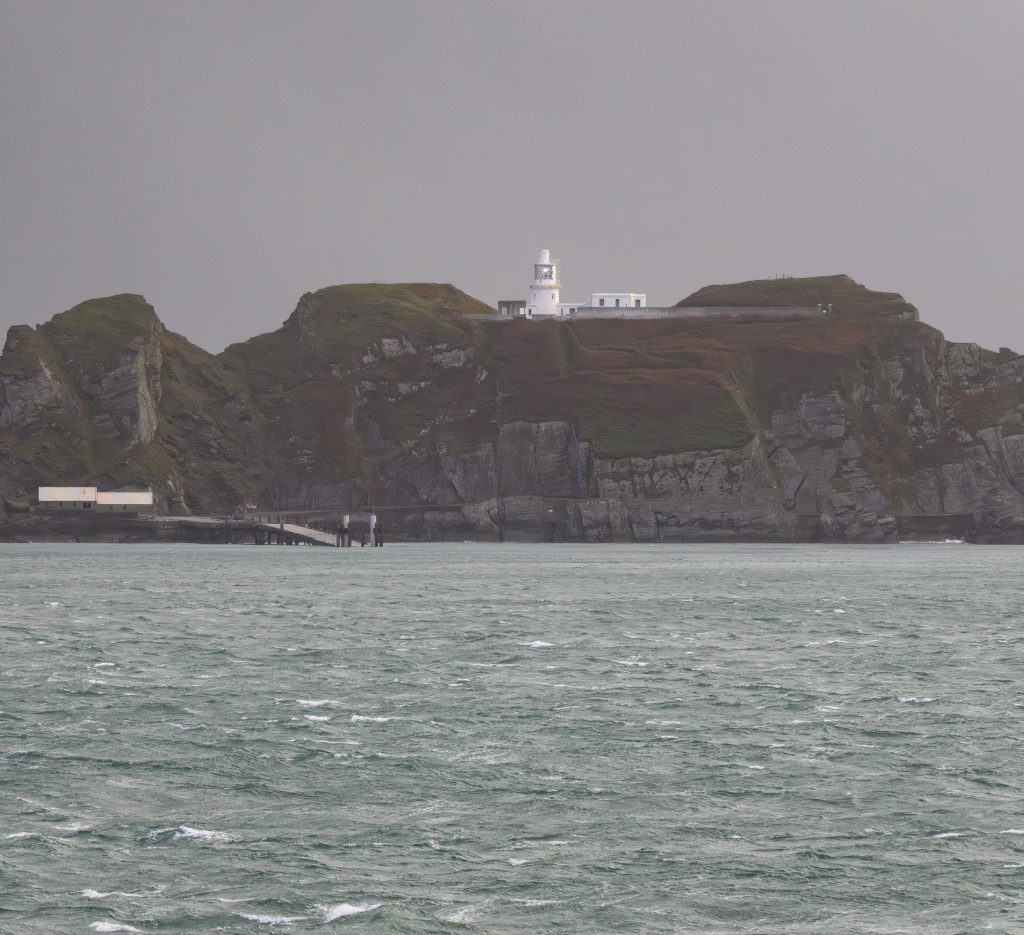
We left the shelter of Lundy around midnight to head off and get back to work, starting with some of the water and plankton stations. These are the night-time activities for the CEFAS scientists and crew on board; we normally manage to fit in three or four depending on the distance between them.
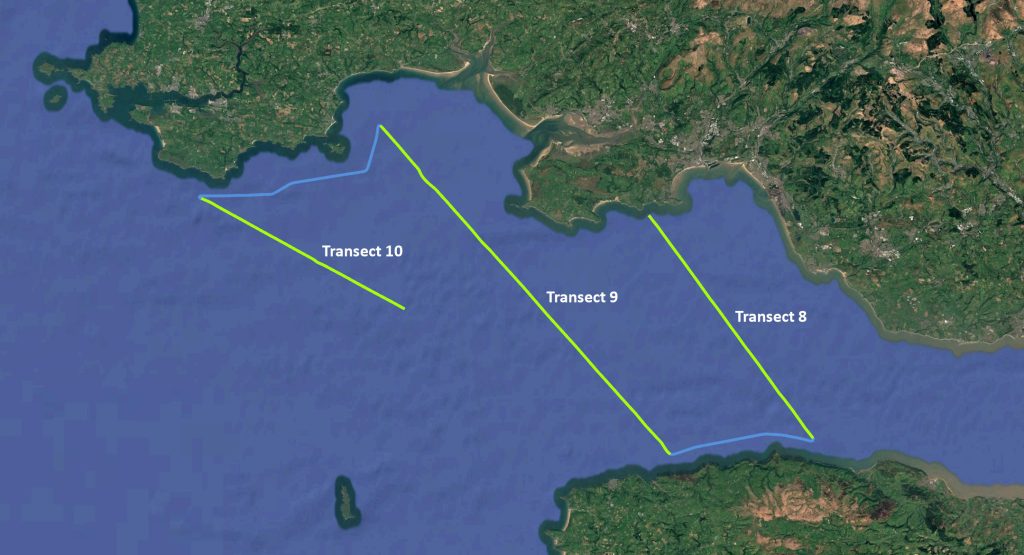
By dawn we were near the Mumbles, Swansea and getting lined up to start our first transect of the day, transect eight, and the furthest east we go in the Bristol Channel. A relatively short transect at two hours, probably just as well as we only recorded 26 birds, Kittiwake the only species to make double figures.
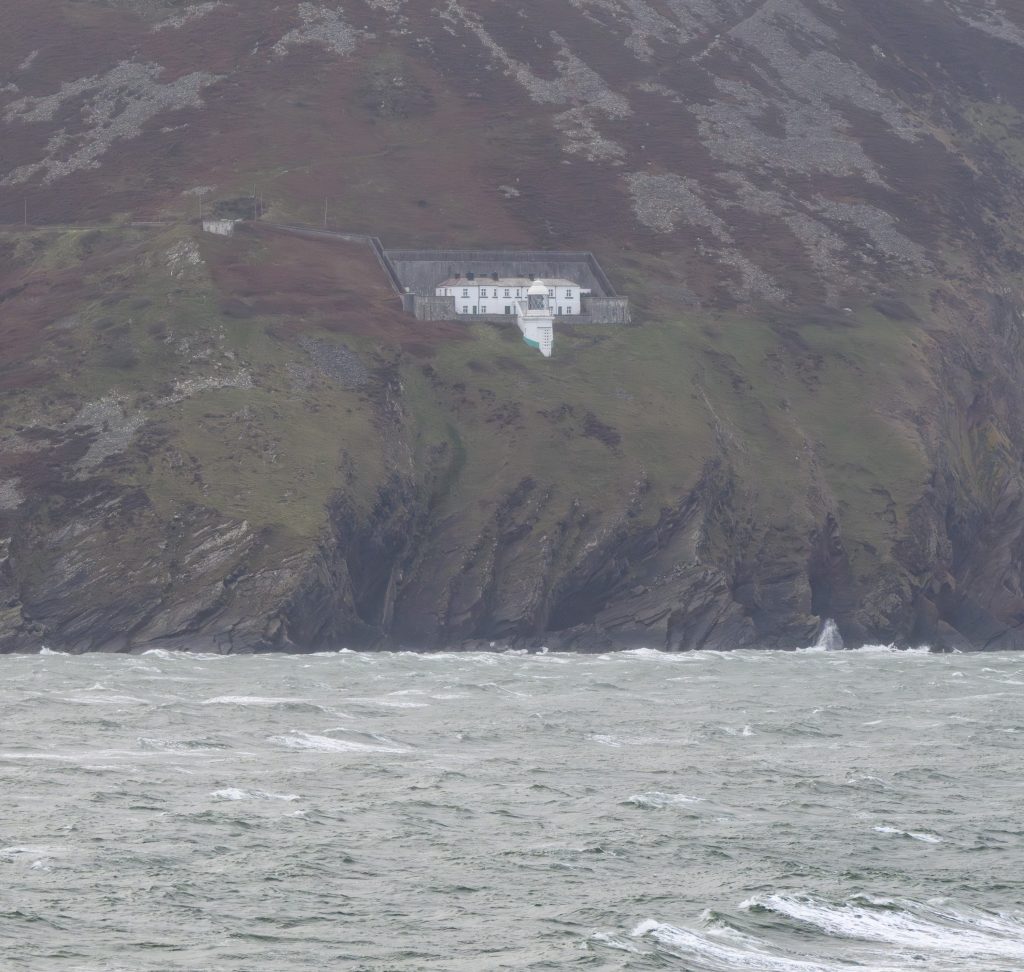
The transit between transects took us along the north Somerset coast, where there are relatively few signs of human habitation for miles and the near vertical cliffs and wooded valleys are dark and foreboding. Foreland lighthouse is one of the few human structures.
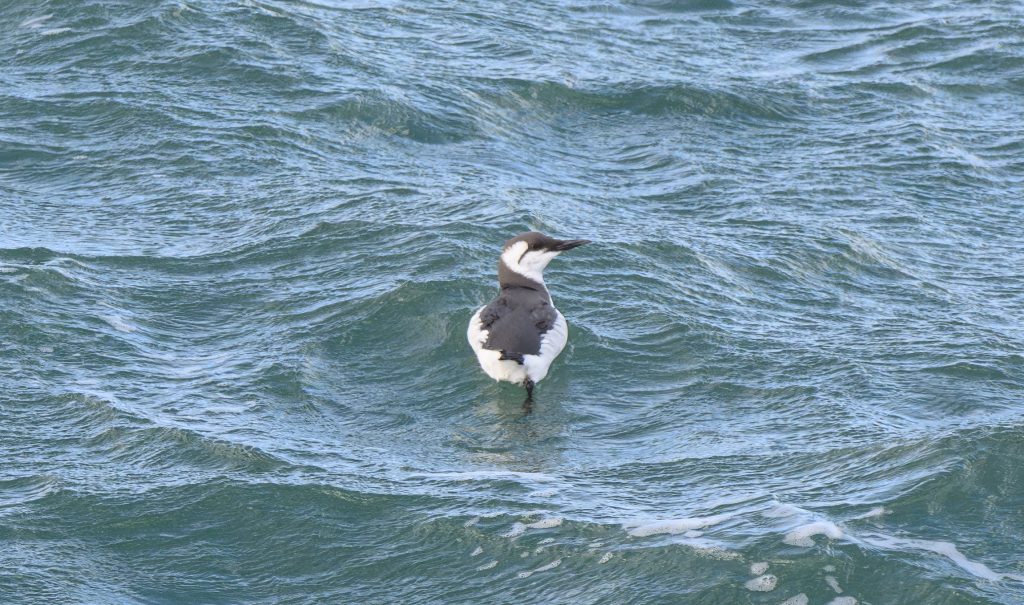
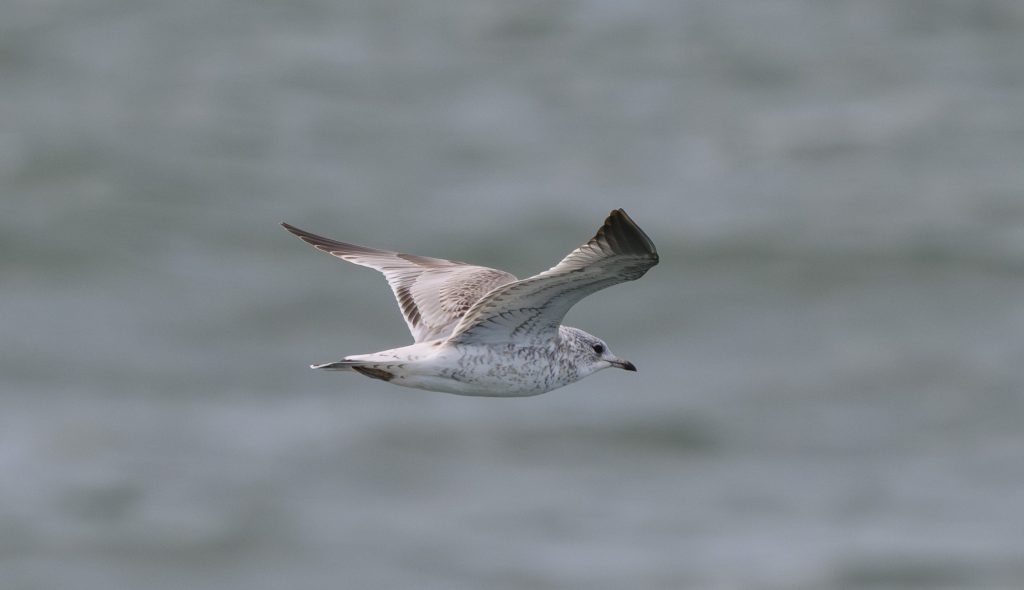
We had the luxury of having the wind and sea behind us on transect eight but for transect nine we’d be pushing into the sea and 25 knots of wind, it was a little choppy. Still, at least there were a few more birds, particularly Guillemot, which topped the chart for most seen species – by quite a margin, 120 compared to 18 for the next species, Common Scoter. A first winter Common Gull gave us a close view as it went across the bow, they’ve been in short supply this autumn. No cetaceans were seen but we did at least manage a marine mammal in the form of a Grey Seal.
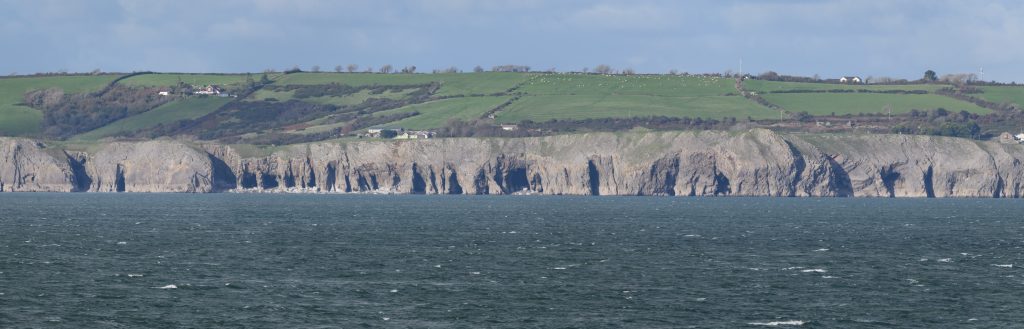

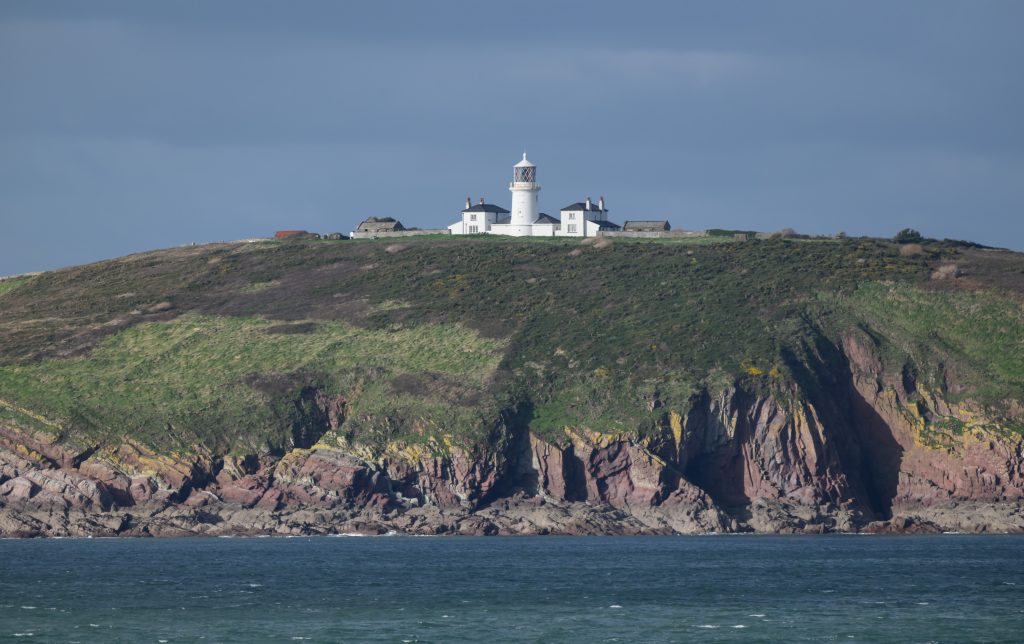
Transect nine finishes offshore from Saundersfoot, Pembrokeshire and from there we had to travel around to St Govan’s Head to pick up the start of transect 10. This transit takes in some beautiful Pembrokeshire coastal scenery, including Caldey Island and the cliffs to the west. A second winter Mediterranean Gull overtook on the way, it’s been a poor Peltic for them this year with only five logged on transect, a shame this one didn’t wait a few minutes.

We were back travelling with wind and sea for the next transect so life and surveying was a little more serene than it had been, It’s amazing how much noise 30 knots of wind makes in the railings and metalwork above the bridge.
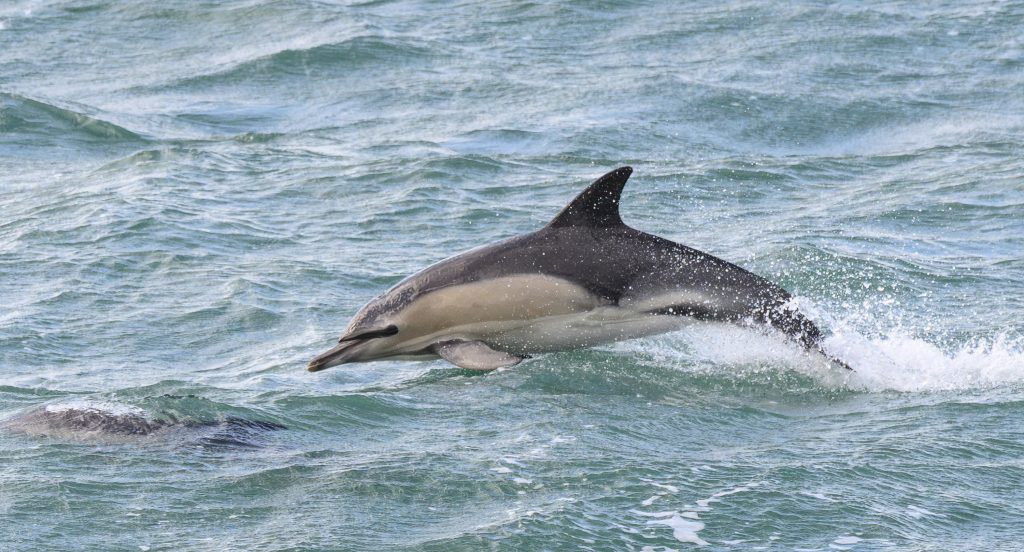
A couple of small feeding flocks of Gannet drew our attention to two small pods of Common Dolphin, for once their interest in food over-riding any desire to come and bow ride with the Endeavour. Birds were fairly quiet, with low numbers of Gannet, Kittiwake and Guillemot to keep us occupied until it got too dark to survey.
The Endeavour continued along the transect line a little further looking for fish for an evening trawl. They found some but ended up with a few Spratt and 200kg of barrel jellyfish, luckily for the CEFAS scientists they don’t have potent stinging cells.
26th October

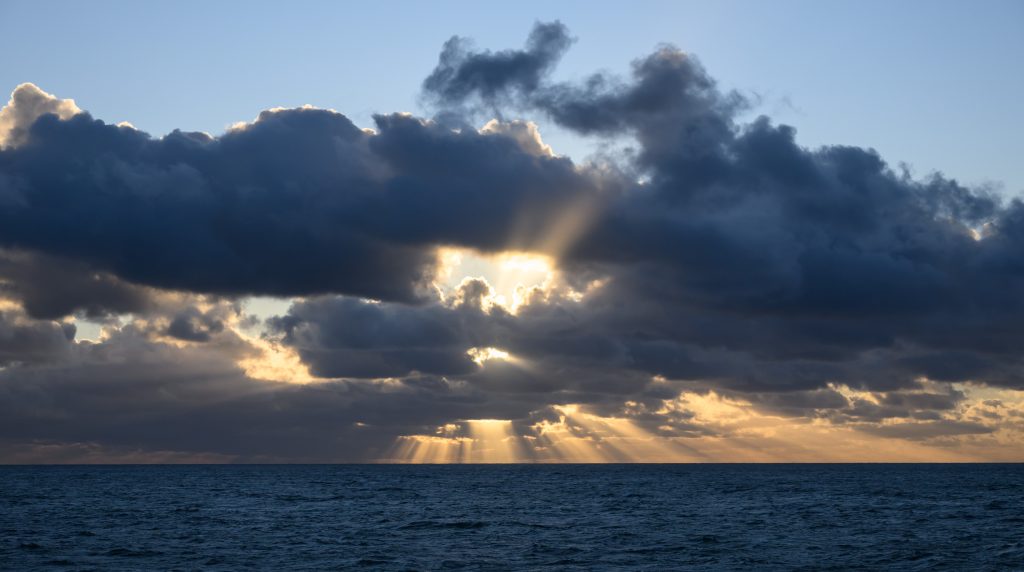
The clocks went back today so it was back to an 07:00 start on the bridge, something Robin hadn’t seen since the first few days of the survey. It’s amazing how quickly you get used to a relaxed breakfast before heading up to start surveying.
We were back we had finished last night but now looking at a sky filled with scattered light clouds, made for a lovely photo but was a bit of a pain having the sun dead ahead for the morning. We had just over two hours to run to the end of the transect, and it was quiet, we only recorded 33 birds, a mix of Kittiwake, Guillemot and a few Gannet. Surprise bird of the morning was a bit left field – a Little Egret – a species not recorded on the Peltic survey before and the second new heron species this year.

A single pod of eight Common Dolphin was the sole cetacean encounter of the morning.
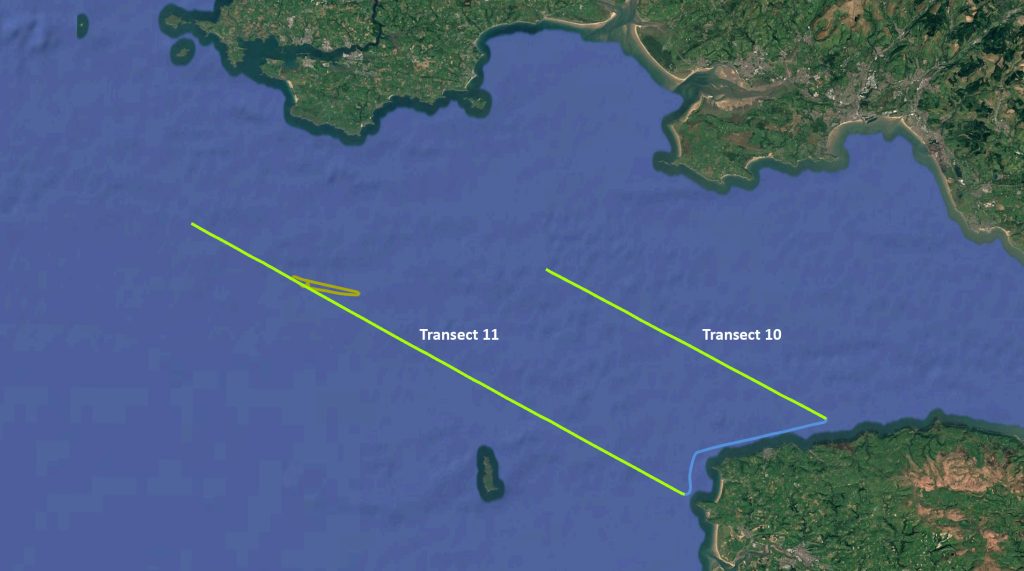
The transit to the next transect took us past the attractive seaside towns of Ilfracombe and Woolacombe. At Baggy Point we took a sharp turn and lined up for transect 11, which would take us 82km to the northwest, ending a little to the south of the Pembrokeshire island of Skokholm.
By the time we started the bright conditions of the morning had been replaced by thickening cloud and two hours in the rain started and would be with us for the rest of the day. If we’d been running to the SE the rain wouldn’t have been a problem, but we were running into the wind, so the windscreen wipers were needed. The big problem with the wipers on the CEFAS Endeavour is they are noisy; it gets really wearing running them for any length of time. I suspect this afternoon may have been the longest we’d had to run them for in nine surveys.


Our torture was interrupted for a couple of hours by us breaking off transect for a trawl, which resulted in a nice sample of Spratt, which was what the Chief Scientist was expecting. Unfortunately, in that two hours the wind had increased a little, now up over 30 knots, and the seas just that touch rougher with swells of three-four metres, big enough to put spray over the bow at regular intervals – conditions were far from ideal! Fortunately, for us, the clock change meant we only had an hour of light left.
Birds had been a little thin on the ground all transect, with just a trickle of Kittiwake, Gannet, Guillemot and Razorbill. On resumption after the trawl, we picked up a couple of Sooty Shearwater and a lone Great Shearwater and then our bird of the day, again a bit left field – Great Egret – heading north over the Endeavour towards Pembrokeshire. Amazingly, another new species for the Peltic survey and the third new species of the heron family this year.


We did quite well for Common Dolphin too, six encounters totalling 76 animals, including one pod of around 60 animals that made a very energetic approach to the Endeavour.
With 30+knot winds forecast overnight there was no prospect of picking up any of the overnight stations, so we headed back east to shelter east of Lundy overnight and hope the weather is okay for the following morning.