
Saturday 10 October
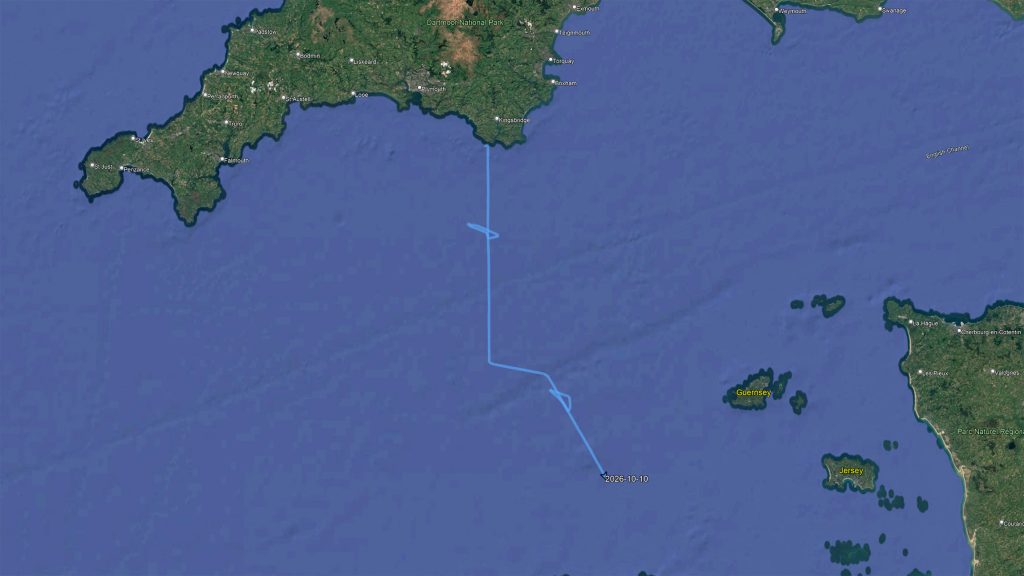
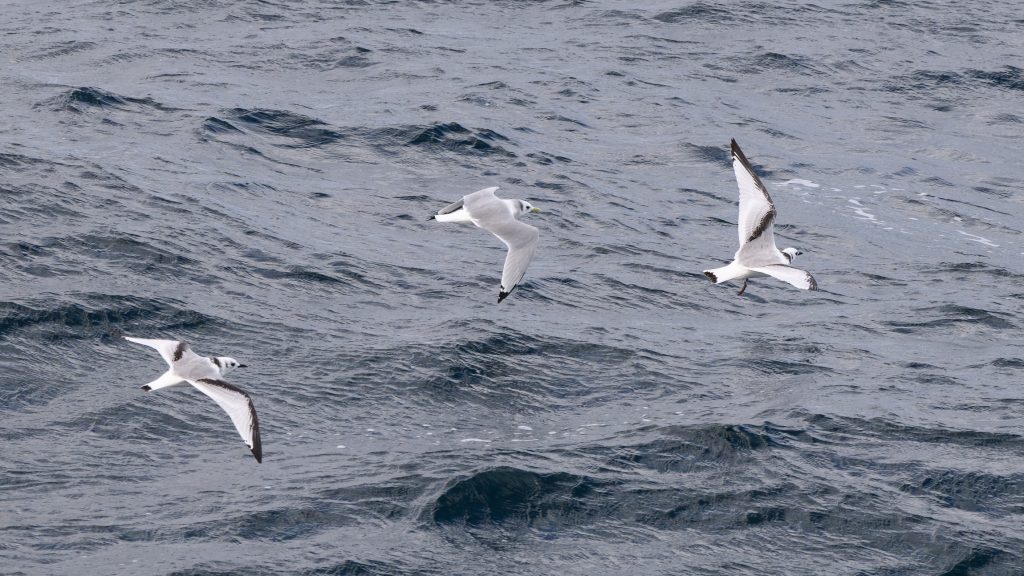
The day began tucked up close to the Devon coast near Salcombe, although a vast improvement on yesterday there was still over 20 knots of wind and a sea state five. Visibility may have been excellent, but the colour of the sea made detecting birds quite difficult for the first hour or so. There were a few Kittiwake moving but a fraction of the number of the previous morning, there was also the odd flock of auks moving too.
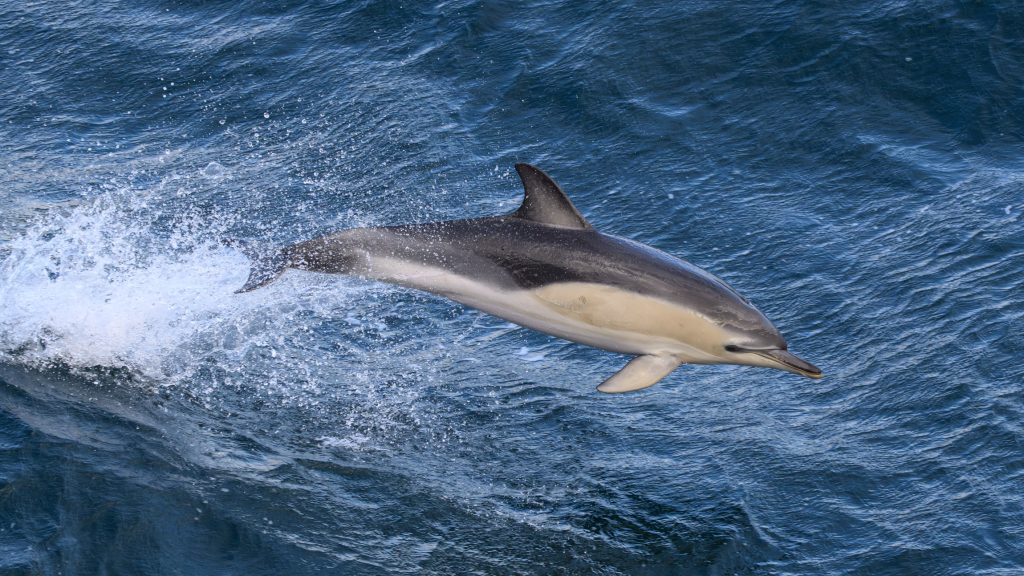
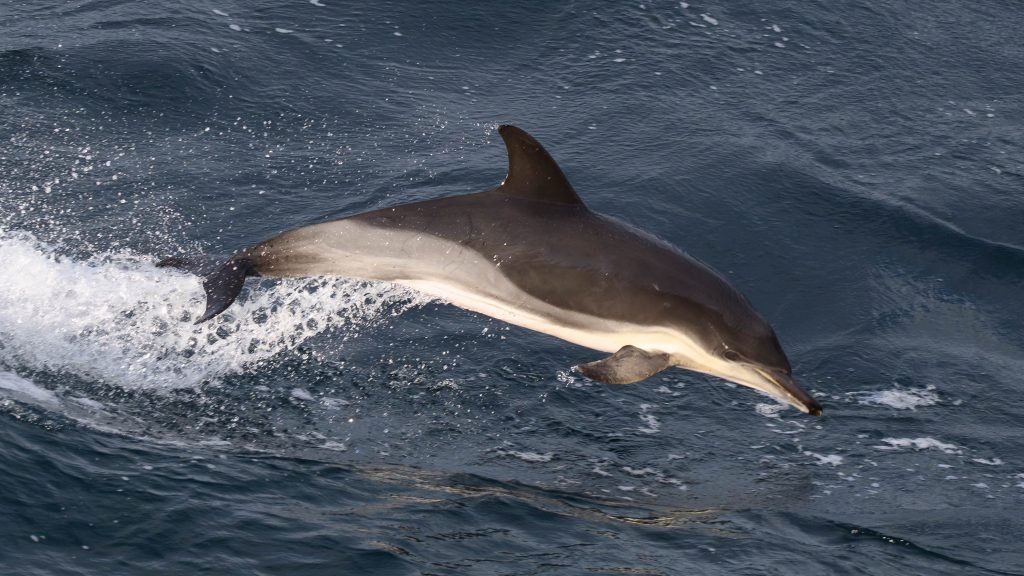
We had two encounters with pods of Common Dolphin just a few minutes before we stopped to trawl, so they were still with us when we came off survey and could spend some time watching them. Once again there were a good number of young calves with them and one or two juveniles or young adults – at any rate clearly smaller than a full adult. One of them was another partially melanistic animal, it leapt out alongside the ship in some lovely sunshine making for a great photo.
Resuming the transect after about an hour and a half had given the sun time to move around such that we were once again staring into the glare ahead of us. That, and the distinct lack of birds, made for a slow finish to the transect.
We had an hour’s downtime as we made our way east to pick up the transect we had started a couple of days ago, sadly, despite some great conditions there was nothing to be seen.
The transect started like the last one had finished, with few birds, although we did at least get another Balearic whilst surveying. We broke off for a trawl after half an hour and as the net went into the water a collection of immature and juvenile gulls collected around us. In amongst the familiar Herring, Lesser Black-backed, and Great Black-backed was a Yellow-legged Gull. These gulls breed in southern and eastern Europe and some move north into the UK during the autumn, numbers peaking in July-September. They’re not numerous but we usually manage to pick up one or two each survey. Annoyingly, this one refused to perform and the only photo I got was of it aft and in the dirty air over the ship, making for a very soft image.
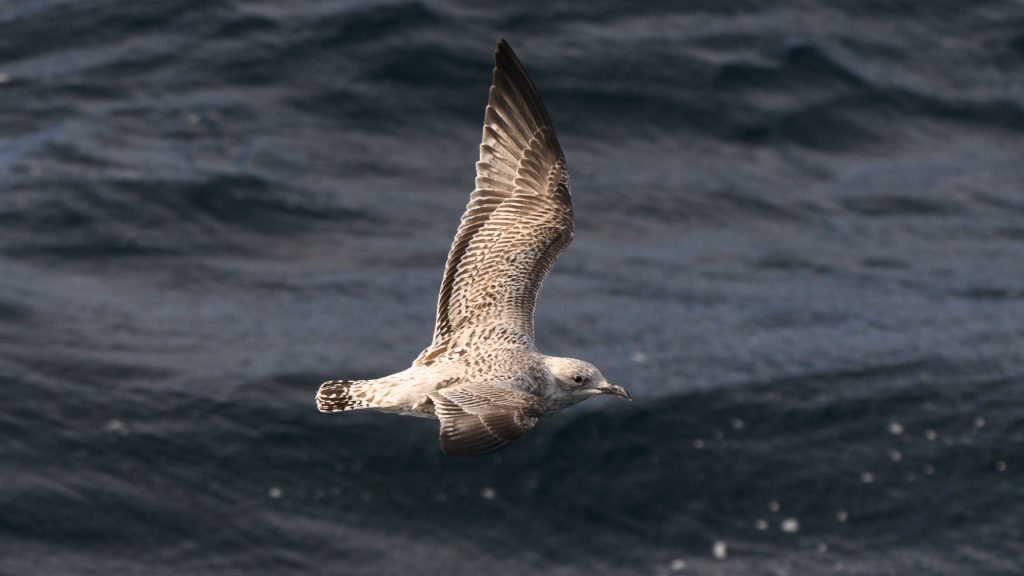
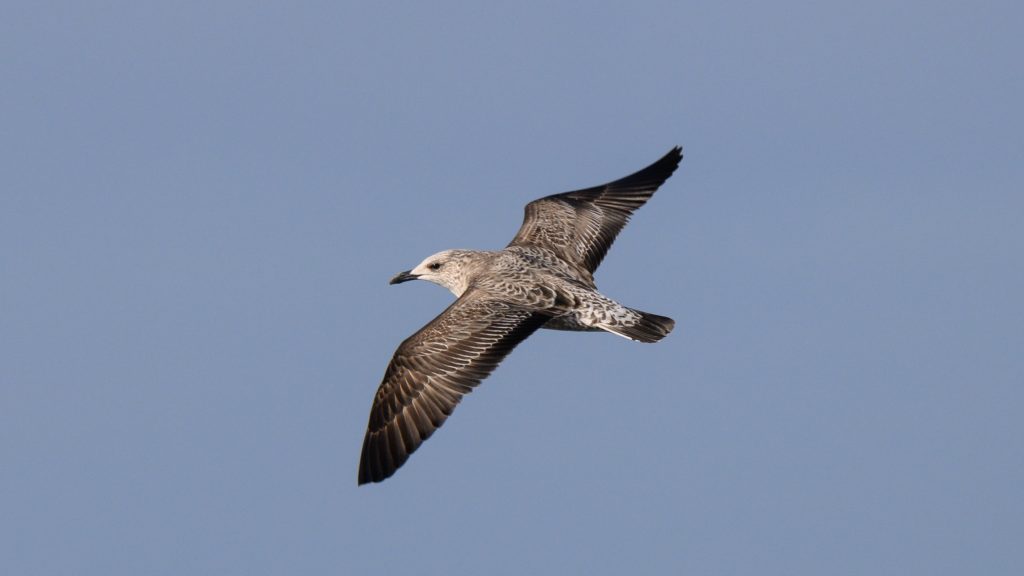
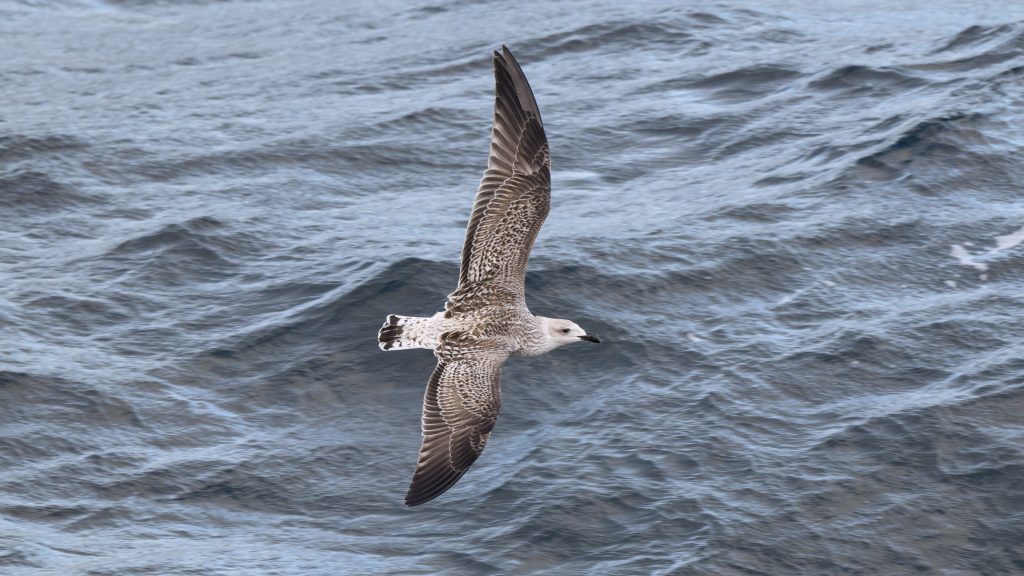
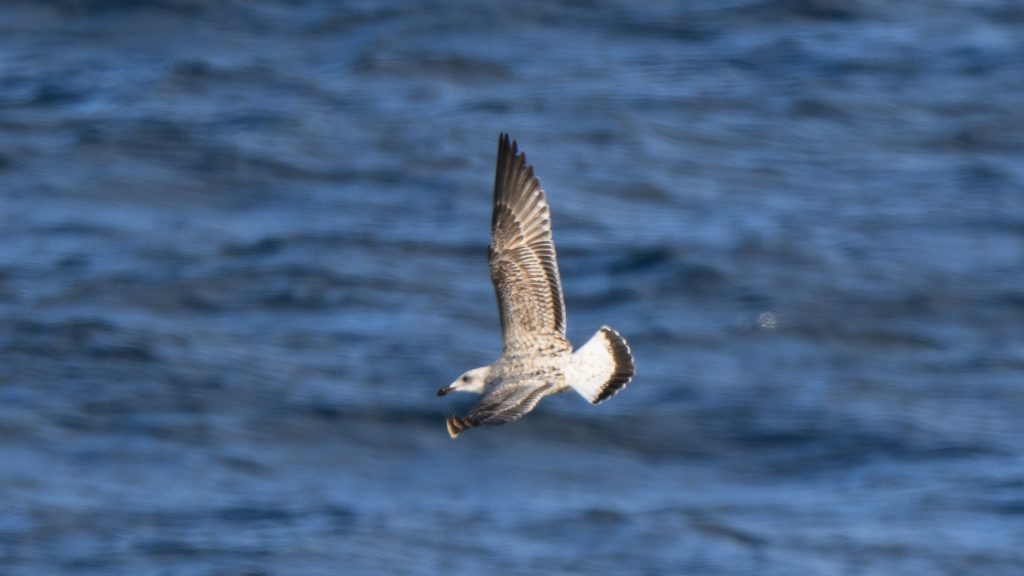
There were also lots of Gannet and the immature birds heavily out-numbered the adults. Given the vagaries of bird flu on the Gannet population in the early 2020s it was nice to see so many young birds which would have fledged after that period. As the net was hauled we also had a visit from two Great Skua, one of which did a close fly-by in some great light. Interestingly, both birds were happy to pick up fish from around the net for themselves rather than trying to rob them from other birds – their frequently observed behaviour.
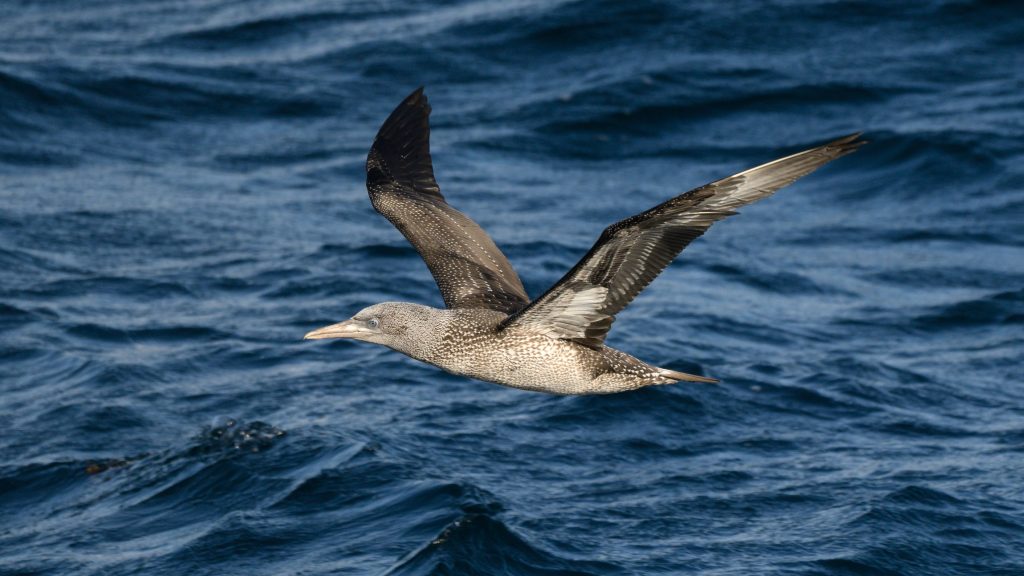
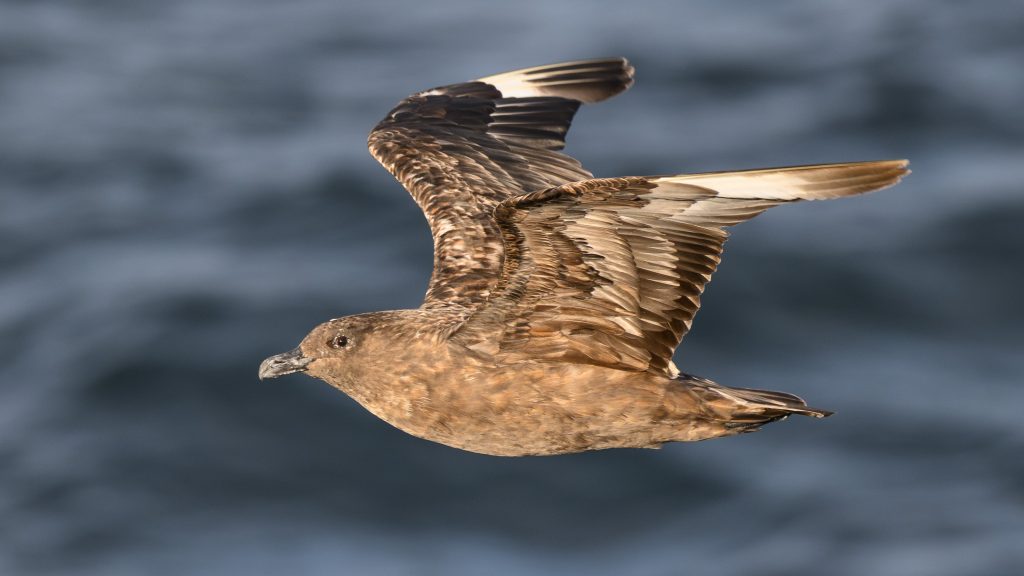
After the trawl the transect was resumed and we continued in fading light until a few minutes before sunset when it was too dark to continue. The last half hour of the transect was run to complete it anyway.
Sunday 11 October
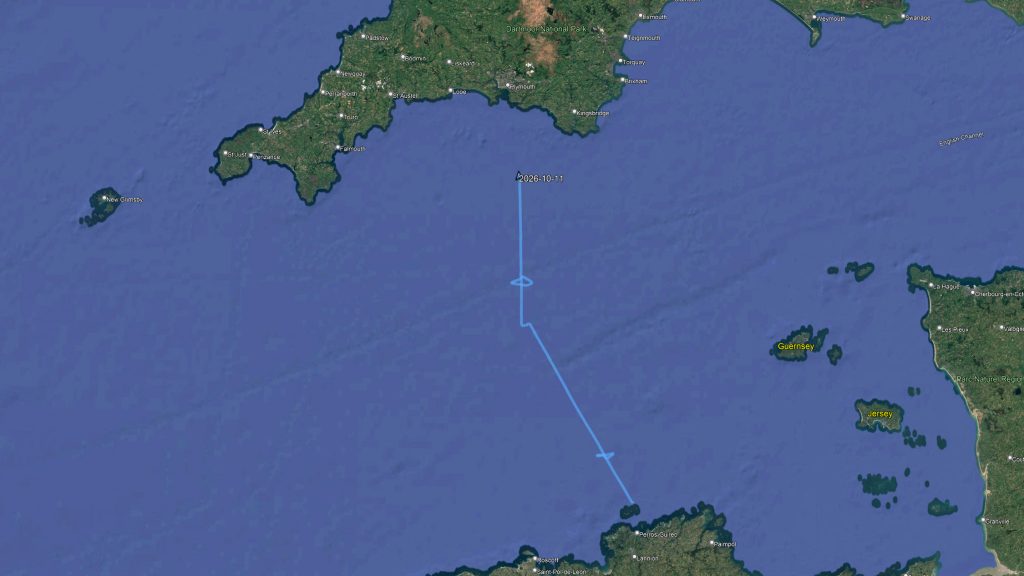
The day started off the coast of Brittany near Les Sept Îles, during the summer home to over 20,000 pairs of Gannet, the largest colony in the region. The islands are almost deserted now, with just the last few juveniles left to fledge. The skies were overcast and grey and it took some time to get properly light but combined with the sea state two-three made for good conditions to spot dark birds like Balearic Shearwater.
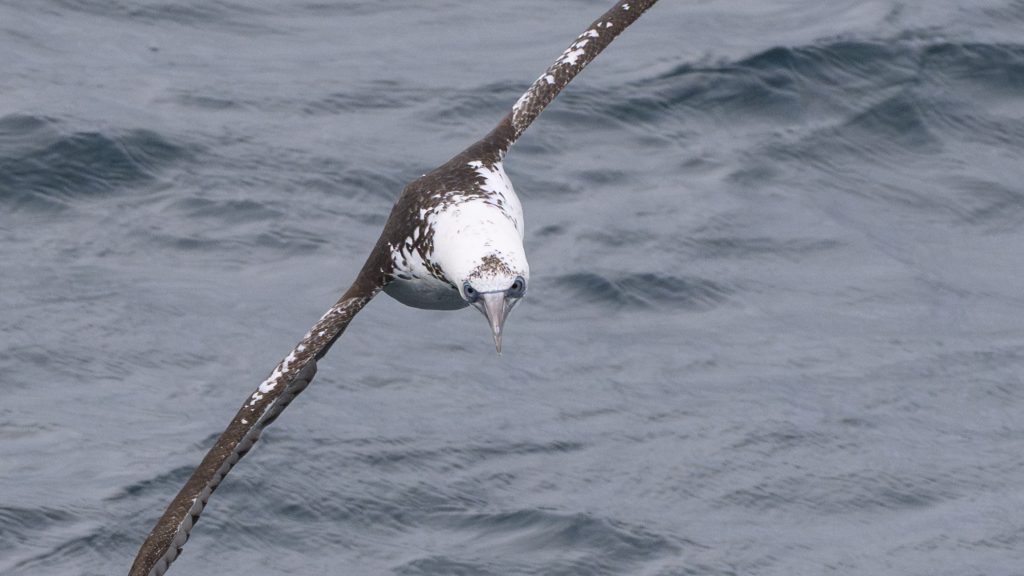
Which we did, with four birds logged on survey within the first few minutes. This seems to be how it goes along the French coast, with birds seen feeding in the strong tides within a kilometre or two of the coast then less frequent offshore. Birds were a bit thin on the ground with just the odd Gannet, auk and gull around to be counted but we only had an hour of surveying before we broke off for a trawl.
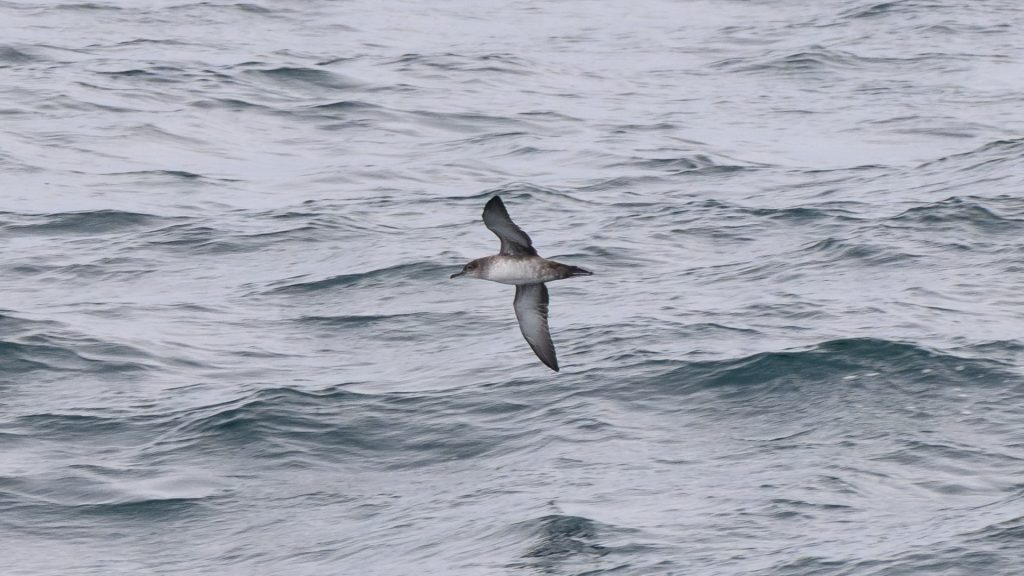
There were a few Gannet and gulls around the trawl when we hauled and best of all a solitary Balearic Shearwater fed for a few minutes before heading off. The breeze had freshened a little while we were trawling and there were a few more birds around for the rest of the transect. Most notably European Storm Petrel with 167 logged, although bird of the day was a solitary Leach’s Petrel. This was only the 4th Leach’s to be seen on the Peltic survey since 2017, the last being in 2023.
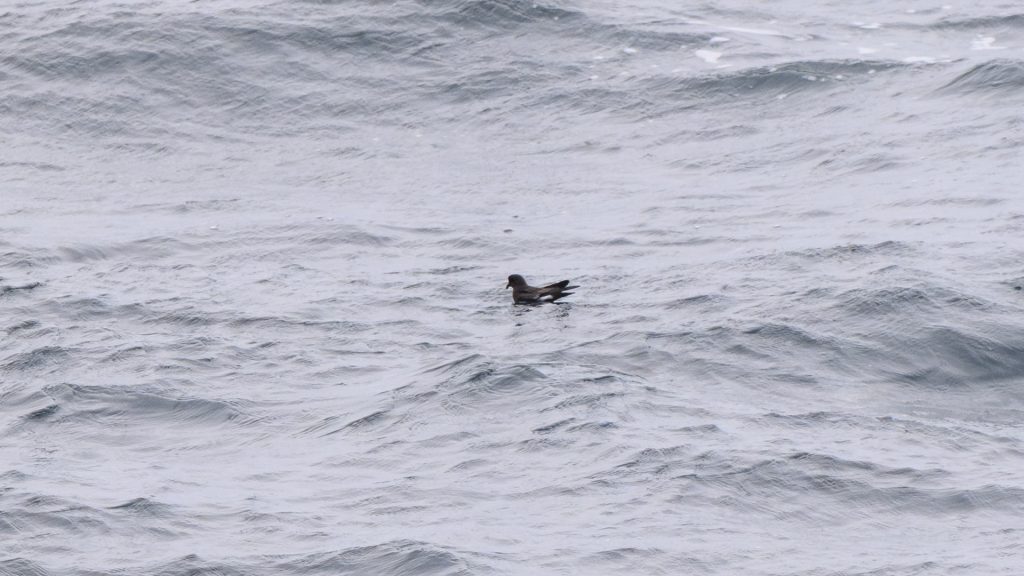
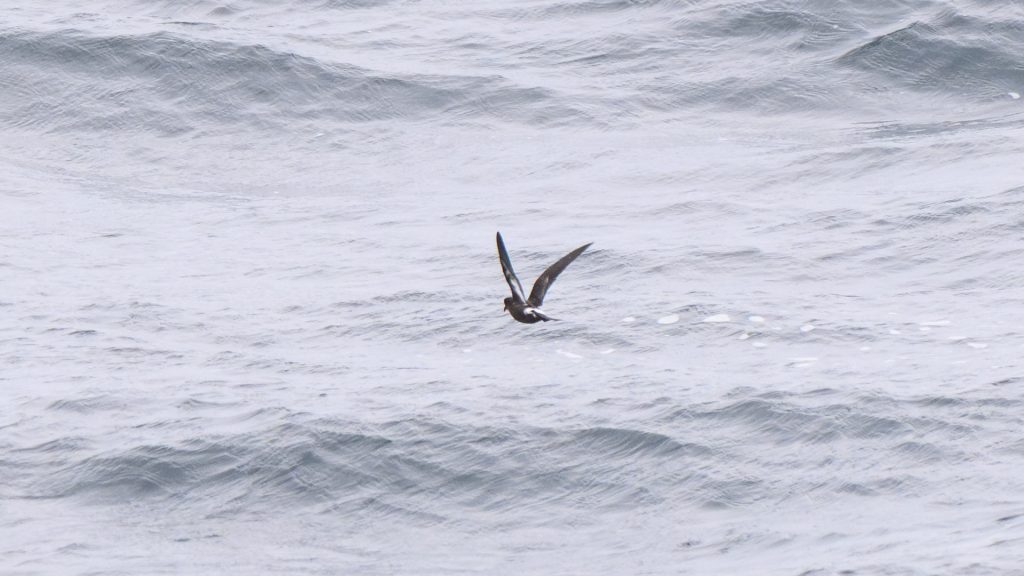
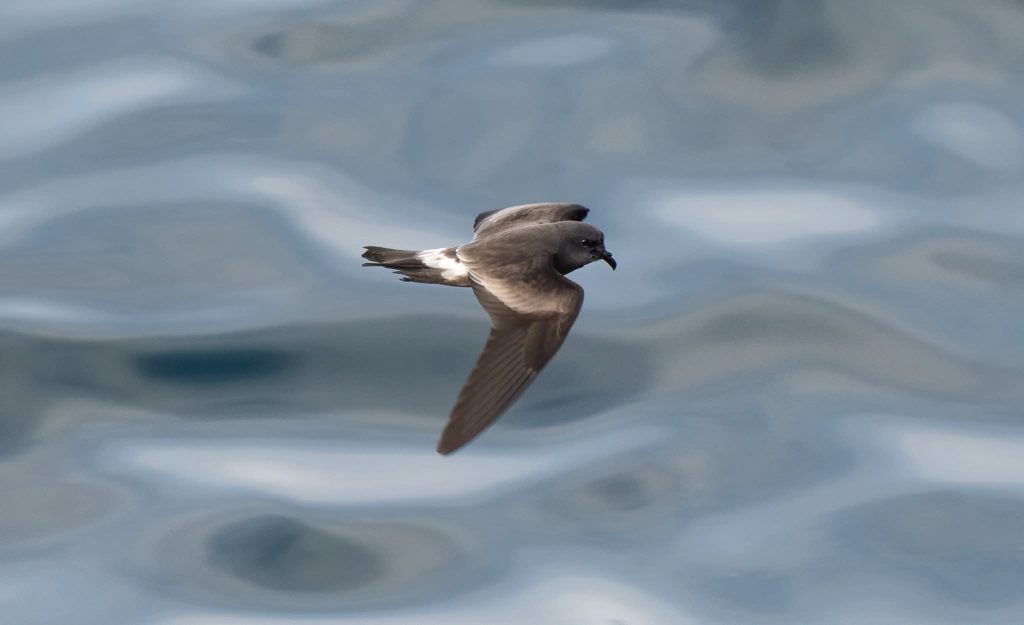
There were a few Manx Shearwater around as well as two Arctic Skua and the usual Gannet, again featuring a good number of immatures. The last hour of the transect was slow going with very few birds seen. Unfortunately, it also wasn’t a good transect for cetaceans with none being recorded, a couple of solitary tuna the only life recorded from beneath the waves.
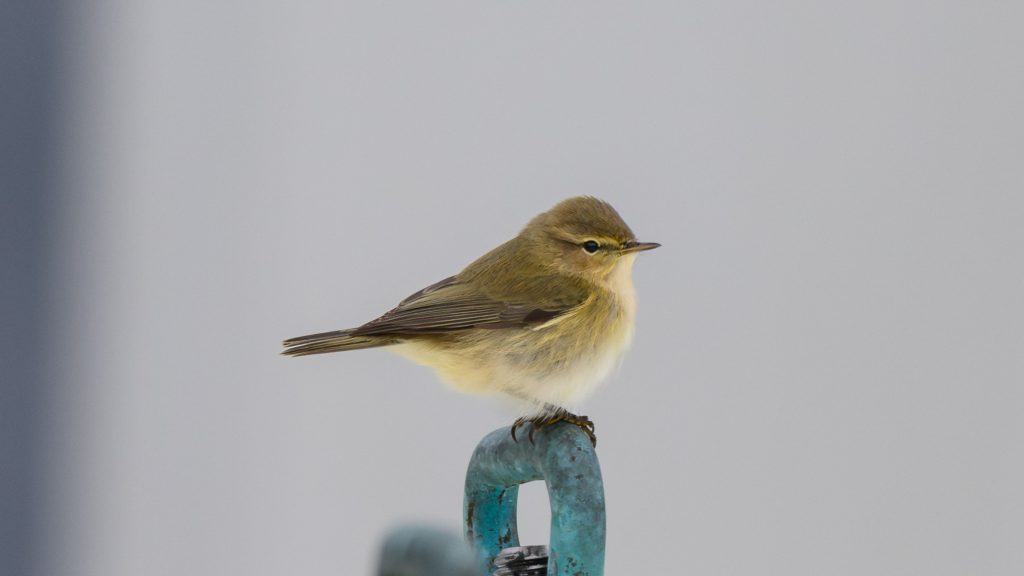
We hadn’t seen a bird on board for a couple of days, but a small brown bird was flitting around today. It took a while before it was seen well enough to identify it as a Chiffchaff.
We barely had time for a quick refreshment break between transects as they were only a few kilometres apart. The next transect headed due north back towards the English coast east of Plymouth. The birds continued where they’d left off at the end of the last transect, with very few around. Still, we only had that for an hour before we stopped for the second trawl of the day.
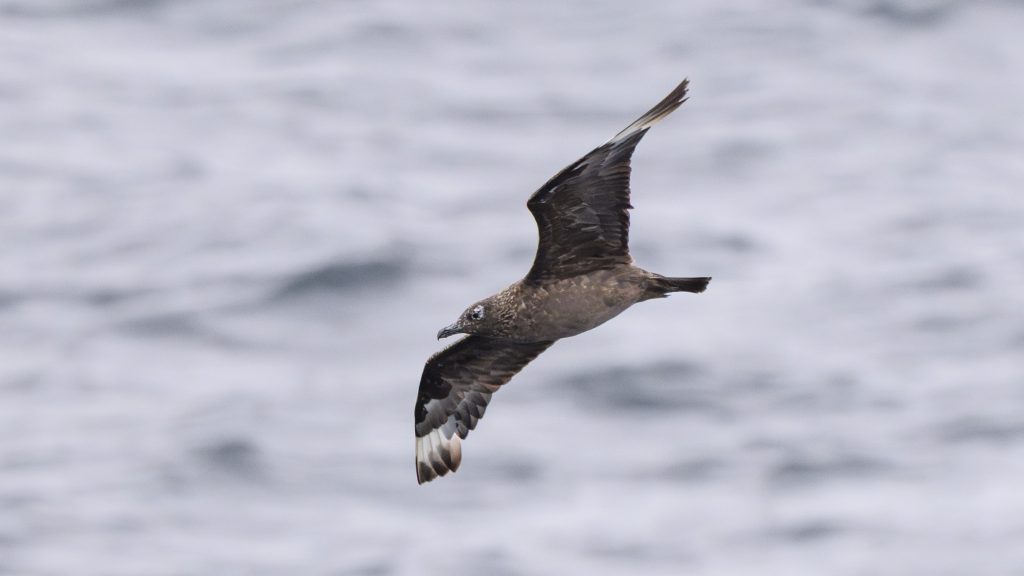
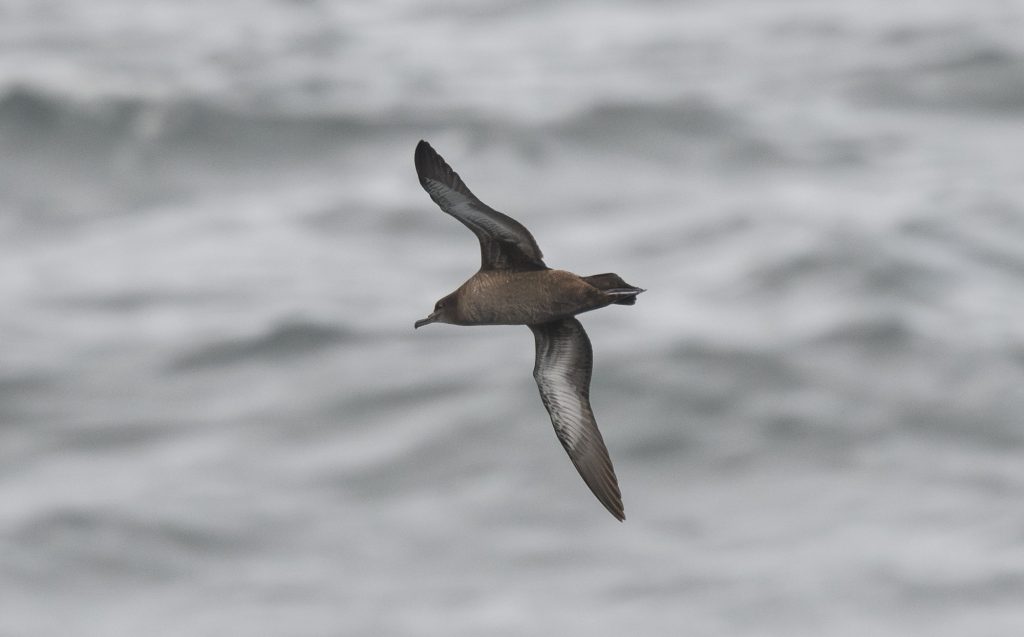
On hauling in this trawl attracted a few Gannet and gulls and four Great Skua, with one featuring some fetching white feathering around the eye. Birds remained scarce after we resumed surveying, although the quality of what we recorded improved with a two Sooty Shearwater, two more Grey Phalarope, a few Puffin and more European Storm Petrel.
Things were looking grim on the cetacean-front until 17:28 when we finally picked up a pod of four Common Dolphin. Annoyingly, a solitary large, dark grey fin breaking the surface a couple of times eluded us. We’d obviously found where the Common Dolphin were though, with another five encounters with 28 animals in the following 45 minutes, with a last pod of seven just as we finished for the day.
We’ll resume this transect the following morning.
Species recorded
Marine animals
- Common Dolphin 109
- Tuna sp. 6
- Unidentified Dolphin sp. 6
Seabirds
- Arctic Skua 3
- Auk sp. 34
- Balearic Shearwater 6
- Fulmar 1
- Gannet 363
- Great Black-backed Gull 11
- Great Skua 4
- Guillemot 34
- Herring Gull 4
- Kittiwake 59
- Larus sp. 3
- Lesser Black-backed Gull 7
- Manx Shearwater 62
- Mediterranean Gull 1
- Puffin 9
- Razorbill 33
- Shearwater sp. 2
- Storm Petrel 203
- Sooty Shearwater 2
- Yellow-legged Gull 2
- Grey Phalarope 2
- Common Gull 2
- Black-headed Gull 1
- Leach’s Petrel 1
Terrestrial birds
- Meadow Pipit 1
- Grey Wagtail 1
- Chiffchaff 1